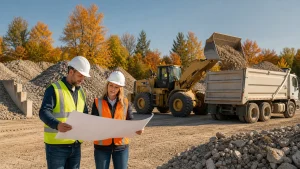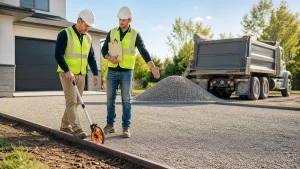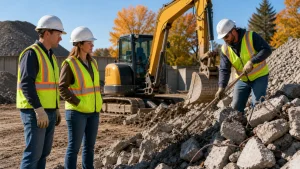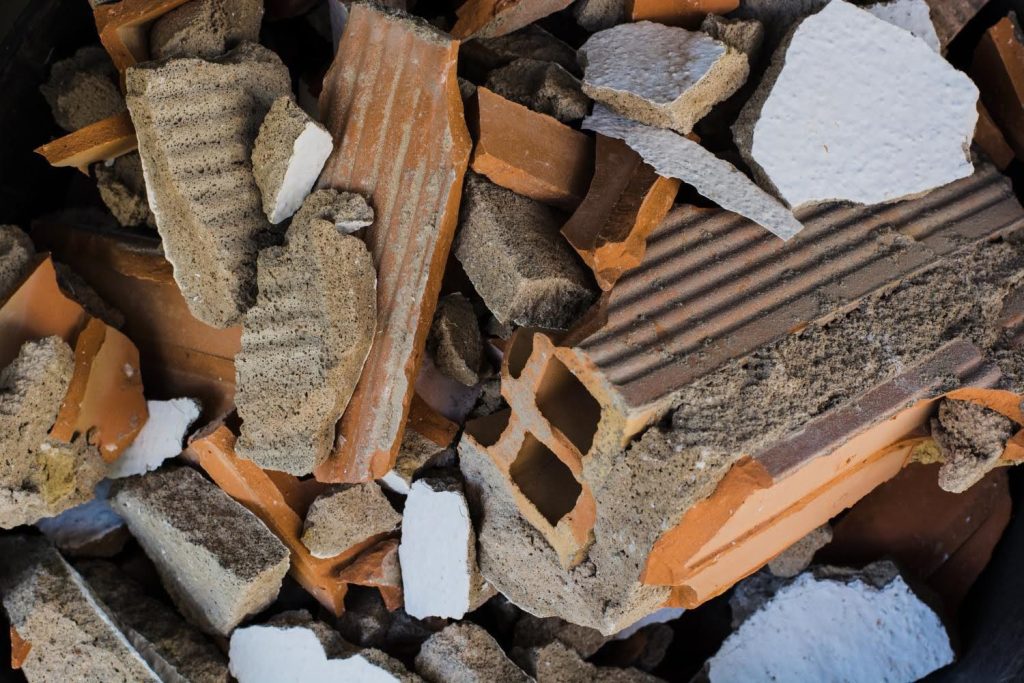
Concrete crushing and recycling might sound a bit complex, but it’s a fascinating process that’s helping the planet. Imagine having a massive chunk of old concrete that’s just been sitting around. Instead of tossing it away, we can crush and reuse it in new construction projects. It’s like giving concrete a second life. Recycling concrete is not just an eco-friendly practice; it’s a key part of sustainable building. By reusing old materials, we reduce waste, conserve natural resources, and lessen our environmental footprint. This process is gaining traction everywhere, including in Roseville, MI. As communities grow more aware of their environmental impact, concrete recycling stands out as a smart choice that combines practicality with mindfulness of the Earth.
Recycling is, indeed, a step toward a more sustainable future. By embracing this approach, towns like Roseville not only keep their surroundings cleaner but also encourage an eco-conscious mindset. This piece will dive into the ins and outs of concrete crushing and recycling, breaking down the benefits and the entire process. Understanding these methods can inspire everyone to consider recycling as a viable option for construction needs. So, let’s take a closer look and find out what makes concrete crushing such a valuable practice.
What is Concrete Crushing?
Concrete crushing starts by identifying old concrete that can be broken down into smaller chunks. Once identified, this concrete is processed through crushing machinery designed specifically for this task. The machine grinds the concrete into smaller pieces, which can be used for various purposes, such as filling, landscaping, or even creating new concrete. Specialized machines, like jaw crushers and impact crushers, play a crucial role in this process, ensuring that the concrete is broken down efficiently and effectively.
The steps involved are quite straightforward:
– Collection: Gathering old or unwanted concrete from sites.
– Inspection: Checking concrete for any unwanted materials or debris.
– Crushing: Using crushers to break concrete into usable sizes.
– Sorting: Separating the crushed material by size and type, often using screens.
– Repurposing: Utilizing the crushed concrete in new projects or selling it as a material.
This process might sound technical, but it’s similar to taking apart and reusing Lego blocks to build something new and exciting. The machinery used, although powerful and impressive, works seamlessly to transform the unwanted concrete into a valuable resource. As with any recycling practice, quality control is vital to ensure the final product meets specific standards. Each stage is essential in creating a material that can stand the test of time and continue to be beneficial in new construction projects.
Benefits of Concrete Recycling
Recycling concrete comes with a host of advantages that go beyond just keeping construction sites tidy. One of the standout benefits is its positive impact on the environment. By choosing to recycle, we significantly cut down on the need for new materials, which helps preserve natural resources like limestone and gravel. It means less mining and reduced forest clearing to make way for stone quarries, which is a win for the planet. The process also reduces energy use, as reworking existing materials often requires less energy than manufacturing from scratch.
Beyond the environmental perks, recycling concrete can also lead to cost savings. Construction projects can often use the recycled material on-site, eliminating the need for expensive transportation and disposal costs. This can be especially helpful for local projects in Roseville, where cutting down on logistics can lead to substantial budget efficiencies.
Finally, recycling concrete drastically reduces landfill waste. With construction debris making up a large portion of landfill content, finding ways to reuse these materials benefits municipal waste management efforts. Used again in new roadways, foundations, or other structures, recycled concrete helps extend the life of landfills and supports sustainability.
The Recycling Process
Taking a closer look at the recycling process reveals a series of well-coordinated steps, starting with collection. This begins by gathering concrete, often demolished from old buildings or pavements, ensuring no usable chunks go to waste. The collected material is then carefully inspected to remove any non-concrete debris, such as reinforcing bars or wood.
The actual crushing is done using heavy machinery, designed to grind the concrete into appropriate sizes. Crushers break down concrete into desired granular or rock-like forms, ready for use in future construction works. Sorting follows crushing, a step where materials are classified by size and further refined if necessary, using screens to achieve consistency.
One exciting way recycled concrete gets employed is in constructing new roads, providing a solid base for asphalt layers. As quality control measures are in place, every batch of recycled concrete is examined to assure it meets specific standards for new projects. These steps in the process not only recycle materials efficiently, but also guarantee the integrity and reliability of the new structures that will use them.
Choosing a Reliable Service in Roseville, MI
Selecting the right recycling service in Roseville involves looking for a few key indicators of reliability. A trusted provider should showcase considerable experience, with a track record of successful past projects. Quality machinery is also essential—it must be capable of handling different types of concrete efficiently, ensuring the final recycled product is consistently high-quality.
Another critical consideration is understanding local regulations. Roseville may have specific rules regarding the disposal and recycling of construction waste, so it’s vital for a service provider to be well-versed in these local laws. Staying compliant with these regulations not only means smoother operations but also reflects an ethical commitment to local environmental policies.
Ultimately, choosing a dependable partner involves balancing experience, equipment, and compliance. Taking these factors into account means more successful and hassle-free application of recycled concrete for any construction project.
Making the Sustainable Choice
The process of concrete crushing and recycling represents a forward-thinking approach to resource management and environmental conservation. By understanding the comprehensive recycling steps and embracing the benefits, communities like Roseville showcase a commitment to sustainability that others can follow. Selecting the right local service ensures that these initiatives remain effective, with minimal disruptions due to regulatory issues or equipment failures.
As more people integrate recycling into their projects, they contribute to a more sustainable environment while reaping the tangible benefits of cost savings and resource efficiency. It is a collective step towards a cleaner future, where the demands of today’s construction practices can coexist peacefully with ecological responsibility. Embracing this movement not only enriches community projects but also paves the way for future generations to continue building in smarter, more harmonious ways.
If you’re planning a new construction project and want to make an eco-friendly choice, consider the benefits of concrete crushing and recycling. Discover how Roseville Crushed can help you maximize resource efficiency with our concrete crushing and recycling services. By opting for these sustainable practices, you’ll contribute to preserving Roseville’s natural beauty while also supporting our community’s green initiatives.