Encountering a rejected load of concrete waste at a drop-off site can be quite frustrating. You’ve packed up all your debris, driven to the site, and then, for some reason or another, you’re turned away. What’s a person to do?
Understanding why this happens and how to effectively handle it can ease your mind and help you tackle future drops with confidence. Let’s explore the reasons behind such rejections and find solutions that are practical and stress-free.
Finding out why your concrete waste hasn’t made the cut is the first step in resolving the issue. It might be surprising to discover that the reasons are often simple and avoidable with the right precautions.
Once you know what can cause a rejection, you’ll be equipped to navigate this situation better and save yourself a lot of trouble down the line. From there, it’s just a matter of taking immediate action and possibly exploring alternative options for your concrete waste.
Reasons for Material Rejection at Concrete Waste Drop Off Sites
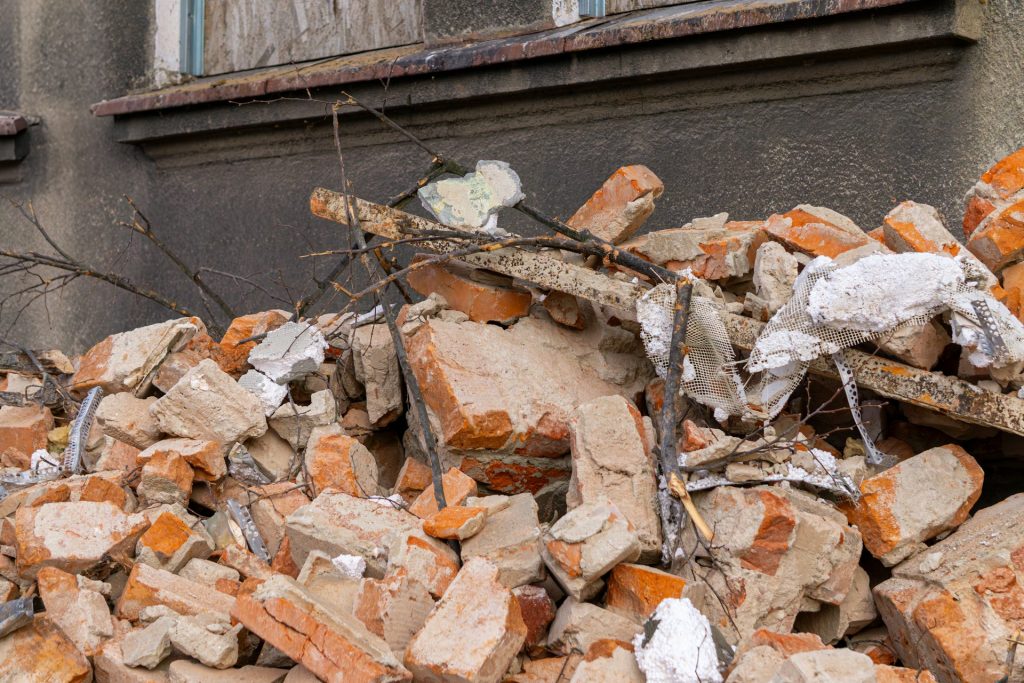
Understanding why your concrete waste isn’t accepted is crucial for making necessary adjustments. Common reasons include contamination from other materials such as metal, wood, or excessive dirt. These contaminants can interfere with the recycling process, making the waste harder to process. Another factor could be the size of the chunks. If the pieces are too large or improperly broken down, they might be unsuitable for the site’s machinery or procedures.
It’s also possible that the type of concrete isn’t accepted. For instance, some sites may not take certain mixtures, or colored concretes due to the additives involved. Knowing the site’s requirements in advance can help avoid these pitfalls. When waste is rejected because of these reasons, it’s not just about turning away your load; it’s about safety and efficiency at the site.
Immediate Steps to Take When Rejected
So, you’ve been turned away. What’s next? Here are some steps you can take right away:
- Clarify the Reason: Ask the staff onsite for the specific reason your waste was rejected. This information is essential for your next steps.
- Check for Contaminants: Inspect your load for any obvious contaminants like dirt, wood, or plastic.
- Evaluate Size: If size is an issue, consider breaking down larger chunks before trying again.
- Consider Alternative Sites: Some sites have different acceptance criteria. It might be beneficial to research other local drop-off locations.
Taking these immediate steps will not only help you address the current rejection but also prepare you better for future drop-offs. Once you’ve rectified the issues, you can revisit the site, knowing what to expect and how to handle it efficiently.
Alternative Disposal Solutions for Rejected Concrete Waste
If your waste keeps being turned away, it’s time to consider other options. One effective approach is reaching out to a professional recycling service. These experts can offer personalized guidance and ensure your waste is handled properly. Plus, they often have facilities capable of processing concrete that might not meet standard drop-off requirements.
In addition to professional services, look into local companies specializing in waste solutions. Companies familiar with the area’s regulations can provide tailored advice that fits within legal and environmental standards.
Alternatively, you might explore donation options where feasible. In some cases, certain types of rejected concrete can be repurposed by organizations that use it for non-profit projects.
Preventing Rejection: Best Practices for Preparing Concrete Waste
Preparation is key to avoiding rejection at drop-off sites. By taking a few simple steps before heading out, you can greatly improve your chances of acceptance. Start by thoroughly cleaning your concrete to remove any dirt, metal, or other unwanted materials. This may involve hosing down the material and physically removing larger debris.
Next, consider sorting the concrete by breaking down large chunks into smaller, manageable pieces. This not only makes transport easier but also aligns with many sites’ size requirements. Clearly labeling your waste with details on its contents can also speed up the drop-off process. If you’re unsure about specific requirements, a quick call to the site beforehand can save time and effort.
Turning Rejected Concrete Waste into Opportunities
Sometimes, what seems like an end is just a new beginning. Rejected concrete waste can be transformed into creative opportunities with a little imagination. For instance, consider using broken pieces for garden landscaping. Create unique pathways or feature areas that add character to your outdoor space. This approach not only saves money but also gives your garden a personal touch.
If you prefer a more hands-off method, explore partnerships with local artists or community projects that need raw materials. This kind of collaboration not only benefits them but also aids in sustainable practices, turning waste into something useful.
Partnering with Roseville Crushed for Seamless Waste Management
To manage your concrete waste challenges with ease, consider collaborating with experts. These professionals can guide you through the waste management process, offering solutions that alleviate stress and ensure compliance with environmental standards. With tailored services available, your concrete waste worries can quickly become a thing of the past. Let them handle the complexities while you focus on what truly matters.
Facing challenges with your concrete waste management? Let Roseville Crushed make your concrete waste drop-off a breeze. Our dedicated team is here to streamline your recycling process with efficient, compliant solutions tailored to your needs. Trust us to handle the complexities while you focus on what truly matters.