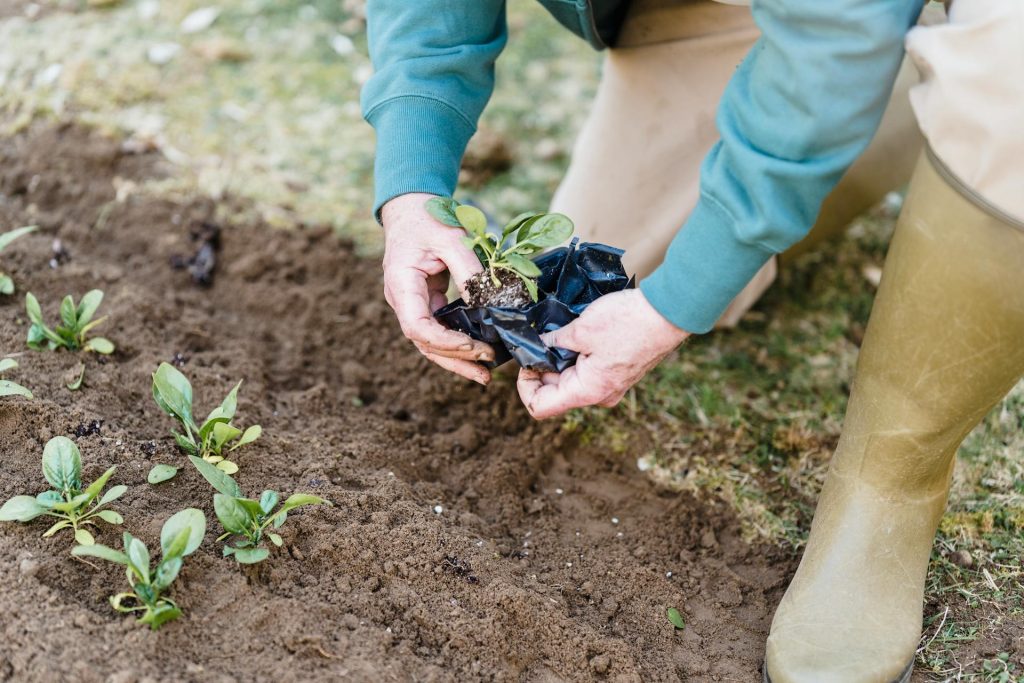
If your garden in Roseville, MI, isn’t thriving as you expected, the screened topsoil you used might be the culprit. This type of soil is often chosen for its smooth texture and supposed nutrient content, but it doesn’t always guarantee the healthy growth of plants. Many local gardeners face the challenge of poor plant growth even when using what seems to be quality screened topsoil. It’s frustrating when your gardening efforts don’t pay off, and understanding why this happens is the first step toward finding a solution.
Screened topsoil, with its fine particles and absence of debris, is intended to provide a good base for gardening. Yet, sometimes, plants don’t flourish as they should, leaving gardeners puzzled and disappointed. Just like in Roseville, the key lies in identifying the underlying issues specific to where you live. Once you know what might cause these setbacks, including seasonal factors or local soil conditions, you’ll be better equipped to address them.
Understanding Screened Topsoil
Screened topsoil goes through a process where larger particles like rocks and clumps are removed, resulting in a smoother consistency. This makes it popular among gardeners aiming for an easy-to-work-with medium that supports plant roots effectively. The idea behind using screened topsoil is that its finely sifted nature will foster better growth by allowing roots to spread easily and absorb nutrients.
In Roseville, many people appreciate its use for creating lush gardens and vibrant flower beds. However, both screened and unscreened topsoil have their pros and cons. Screened topsoil is favored for its cleanliness and uniformity, but can sometimes lack the organic matter vital for plant nutrition that unscreened options might naturally contain.
Knowing these differences helps gardeners choose the right soil type for their needs. If you notice your garden isn’t thriving despite using screened topsoil, it’s worth considering whether this soil meets all your plants’ requirements. It’s sort of like choosing the right ingredients in a recipe: even the smallest adjustment can make a significant difference.
Common Causes of Poor Plant Growth in Screened Topsoil
Several issues might cause plants to struggle in screened topsoil. Here’s what to look out for:
– Lack of Nutrients: Screened topsoil can sometimes lack the necessary nutrients your plants need. This is because the sifting process might remove some organic content.
– Poor Drainage: If the topsoil doesn’t drain well, water can build up, effectively drowning plant roots and leading to poor growth.
– Compacted Soil: Despite its finely sifted nature, screened topsoil can still become compacted, especially under heavy watering or foot traffic, restricting root expansion.
In Roseville, the local climate and environmental factors could exacerbate these conditions. Dry spells or heavy rain can alter how moisture interacts with your topsoil, affecting plant growth. By understanding these aspects, gardeners can decide on the best course of action to improve their garden’s health and productivity.
Effective Fixes for Poor Plant Growth
When you’ve identified the root causes of plant struggles in your screened topsoil, it’s time to take actionable steps to improve the situation. Each of the common problems has specific fixes that can help your plants thrive.
First, focus on enhancing soil fertility. If your screened topsoil lacks nutrients, incorporating organic fertilizers can make a big difference. These fertilizers add essential elements that plants need for growth, boosting the health of your garden. Consider using compost or well-rotted manure because they naturally enrich the soil without harsh chemicals.
A major issue with poor drainage can drown your plants and lead to stunted growth. To tackle this, consider mixing in materials like sand or perlite. These amendments improve soil structure, allowing better water movement, which prevents waterlogging. They also help aerate your soil, providing the right balance for roots to grow efficiently.
Compaction in screened topsoil can restrict the ability of roots to spread out and access nutrients. Aerate the soil regularly to reduce compaction. This process pokes holes in the ground, loosening the soil and making space for roots to breathe. Aeration is especially important in areas where there’s a lot of foot traffic or heavy watering, which can squash the soil down tightly.
Testing your soil at regular intervals lets you monitor its health and adjust your gardening practices as needed. Soil tests can provide valuable insights into nutrient deficiencies or pH imbalances, guiding you on tailored solutions to address those specific needs. With these tailored actions, you can transform your garden into a vibrant space full of life.
Building Healthier Gardens in Roseville
Creating a flourishing garden in Roseville is within reach when you tackle the challenges associated with screened topsoil. By understanding and addressing the limitations and taking proactive steps to improve soil conditions, you set the stage for lush plant growth.
A well-maintained garden is not just about aesthetics; it enhances your home’s value and provides a rewarding hobby that many enjoy. Consistent efforts to improve soil health lead to longer-lasting improvements, resulting in a garden that is both beautiful and productive. It’s about taking one step at a time, nurturing the land you care about.
Lastly, remember that gardening is a continuous learning process. Each season may bring its own set of challenges, but with the right knowledge and tools, you’ll be ready to meet them head-on. Your garden is a testament to your efforts, showcasing what can be achieved with a bit of commitment and know-how. By growing a healthier garden, you’re investing in a part of your home that brings joy and satisfaction season after season.
To ensure your garden thrives with the best solutions for soil health, explore the services at Roseville Crushed. Our high-quality screened topsoil provides the essential nutrients and structure your plants need for optimal growth. Let us help you create a garden that flourishes in every season.