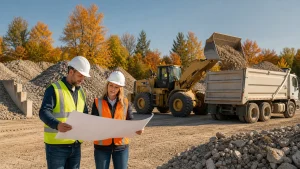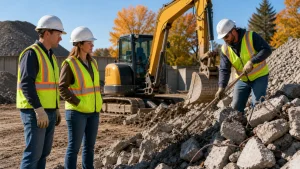
When a site fills up with leftover materials, concrete blocks often cause the biggest traffic jams. They’re heavy, in the way, and not something you can just push to the side until spring. As temps begin to drop and timelines tighten, dealing with those blocks becomes a must.
Concrete block disposal takes more than moving them to an edge of the property and hoping for the best. It’s about clearing space quickly and safely so the rest of the build can stay on track. Crews working through late fall in places like Roseville, MI, know how fast winter weather starts to cut off access. Delays now mean problems later. That’s why having a clear plan for disposing of concrete blocks is more than just nice to have, it’s how we keep things moving.
Why Proper Disposal Matters on a Worksite
Clearing out leftover concrete blocks isn’t always top priority when a project pushes forward, but it should be. Materials left sitting in walkways, drop zones, or near active equipment can slow everything down. They’re hard to move once they’ve frozen to the ground or been buried by snow.
• Unused or broken materials can cause tripping hazards, especially once ice or frost rolls in
• Overflowing debris makes storage space tighter, giving crews less room to maneuver
• Snow or frozen ground can make it hard to see where materials were placed, which can lead to delays or damage
Clearing out now means building crews can work with less interruption. It’s faster to get around the site, easier to schedule new deliveries, and safer for everyone working when things get slippery or cold.
Fall cleanup work might sound small in the moment, but it saves trouble when a job site gets hit with snow or frozen mud. Getting heavy items off the ground before they freeze in place means less lift stress and fewer headaches once schedules start to shift.
What to Look for in a Disposal Partner
Not all clean-up help fits the same kind of job. When it comes to concrete block disposal, we look for people who know what they’re doing. The lifting alone raises safety risks, and moving that much debris takes more than just strong arms. It takes equipment, timing, and know-how.
• Experience with cleanup during colder months is a good sign they understand what winter work needs
• They should be comfortable handling dense materials, like block and rubble that can’t be tossed into a regular bin
• Look for flexibility: site access changes fast in November, and someone who can adjust with little notice is a plus
Crews need room to keep working through changing conditions. A disposal service that shows up late or without the right vehicles makes things worse. Better planning now means we’re less likely to lose momentum as winter tightens its grip.
Seasonal Timing and Location Tips
Here in Southeastern Michigan, we don’t always get much warning before the ground freezes up. And once it does, moving anything buried or stuck against it becomes a problem. November brings early snows some years, and other times it’s rain that won’t stop.
• Book haul-away work before mid-November, when most job sites still allow easy access
• Avoid storing blocks on unpaved ground where frost heave could make equipment unstable
• Watch for forecast changes and be ready to shift schedules, especially for rural or less-used site roads
Even on solid, urban lots in places like Roseville, MI, the combination of cold nights and wet days makes pickup and disposal trickier. Planning for a backup window or cleared staging area gives everyone more room to adapt.
How Recycled Material Services Can Help
Concrete blocks don’t always need to be tossed out. In many cases, they can be broken down and reused for future builds. That approach keeps cleanup fast and turns waste into usable material down the line.
• Blocks sorted and handled the right way can often be crushed into stone base or fill
• Recycling means less material gets piled into landfills, which keeps both transport time and dumping layers down
• When sorting happens close to or on-site, we save time instead of hauling to far-off disposal lots
Roseville Crushed is equipped to process concrete waste for recycling, offering a practical option for disposal that fits into our broader goal of sustainability for Southeastern Michigan. Our crushing and recycling process turns old blocks into high-quality aggregates for new projects, diverting material away from landfill and supporting circular use.
Recycling works best when the people handling pickup already have a process in place. That way, the trip out becomes part of a larger system, not just a one-off dump run. It’s smarter for the site, lighter on the load, and better timed when winter is creeping up fast.
A Smarter Way to Clear Your Site Before Winter
Disposing of concrete blocks before the ground hardens or staging areas flood saves real hours later. It opens up space for enclosed, heated work like interior prep, and it lets delivery trucks get in without dodging dangerous debris. With a smooth clearing plan, the transition from fall to winter stays organized.
The right help knows how to move heavy loads safely and quickly without getting in the crew’s way. They watch the weather, know when to move early, and understand how local job sites work. That kind of timing and know-how makes a big difference now and makes spring setups easier when it’s time to kick things back into high gear.
Need fast, reliable help with tough materials like concrete before the ground freezes or during your next project? Our experienced crew safely handles heavy loads and keeps your site running smoothly. For projects that require smart, timely support with concrete block disposal in and around Roseville, MI, Roseville Crushed is here to get the job done. Contact us today to schedule your pickup.