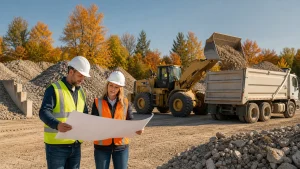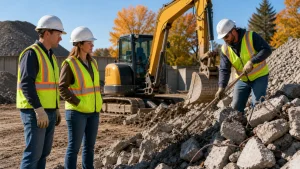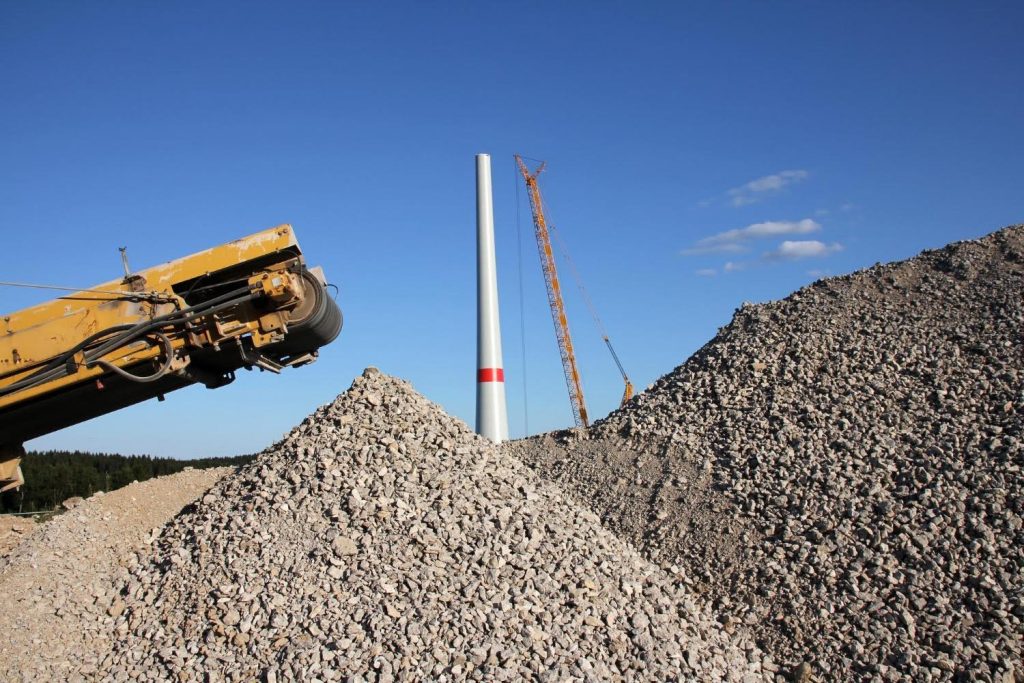
Concrete crushing in Southeastern Michigan plays a big role in how job sites stay clear, organized, and ready for the next steps. As projects move from outdoor groundwork into winter phases like foundation protection or staging, having a clean, workable space matters even more. Crushed concrete helps us reuse material we already have, saving time and effort on hauling.
Every region handles concrete recycling a little differently. From site layout to seasonal conditions, we regularly adjust our approach depending on where we’re working. That’s especially true as winter settles in and road access or equipment needs shift by the day. Comparing how concrete crushing works in different areas can help teams make smarter moves as the year winds down.
What Concrete Crushing Really Means on Site
Crushing concrete is the process of breaking pieces into smaller chunks that can be reused, whether for fresh builds or fill work. This usually happens with broken sidewalks, slabs, footings, or leftover foundation material.
It’s not just about reducing waste. Once material is crushed, we can clear it fast, get it out of the way, and use it where it makes the most sense. That speeds up progress and keeps jobs from getting backed up with heavy, unused piles.
• Most structural concrete, parking pads, and damaged curbs can be crushed
• Large pieces are broken down until they’re small enough to handle or reuse
• Crushing cuts down hauling time and shrinks on-site clutter
Getting that material managed early makes day-to-day work smoother and lets crews stay focused on the core tasks ahead.
Differences in Crushing Based on Job Location
Where we do the work changes how we do the work. A job site in Roseville, MI, won’t have the same setup as a rural space just a few towns over. That affects everything from how trucks access the site to how loud the equipment can be.
• Urban work zones often need quieter setups, tighter schedules, and smaller machinery due to limited room and nearby residents
• Suburban or rural spaces may offer more space for trucks and staging, but bring longer haul distances and different road restrictions
• Weather, site access, and lot surface types can all shift how demolition and crushing happen
Some crews crush on paved areas to speed up cleanup, while others need to carefully load out to avoid kicking up debris near neighboring properties. We adjust our approach based on these differences instead of using a single plan.
Weather and Seasonal Impacts in Southeastern Michigan
By December, Southeastern Michigan is deep into freeze cycles. Once the ground hardens or snow starts sticking, moving and crushing concrete can be a very different job. It becomes harder to position machines, find stable ground, and avoid delays tied to frost depth or muddy runoff.
• Winter weather can reduce traction for heavy machines, especially on sloped or unpaved areas
• Frozen concrete takes longer to break down and may require more force or more staging time
• Ice buildup around stored material can slow down loading or limit daily production time
That’s why we plan to crush earlier when possible or build in extra time as we get close to shutdowns. In some spots, just getting access to the site safely is a challenge on its own. Prepping right helps keep things on track and avoids surprises that push the calendar deeper into winter.
On-Site vs Off-Site Crushing: What to Know
Not every project will crush concrete the same way. Some jobs benefit more from bringing equipment right to the site, while others go smoothly by hauling to a nearby yard where crushing takes place with larger machines.
• On-site crushing works well when space allows for equipment placement and crews need fast clearing
• Off-site crushing fits best when nearby yards are accessible and hauling can happen without getting in the way of active work zones
• Local rules or HOA restrictions might limit noise or equipment types, so sometimes hauling is the only option
Roseville Crushed offers both on-site and off-site crushing services, processing concrete into clean, high-quality aggregate for commercial, municipal, and residential projects throughout Southeast Michigan.
Either way, the priority is to move material cleanly, quickly, and safely. Choosing the right method helps protect timelines and sets the stage for either continued build phases or winter slowdowns.
Recycled Concrete Use Across Projects
Once concrete is crushed, it doesn’t sit around for long. We put that material right back into use where it makes sense. Most of the time, those crushed loads show up in base layers under roads, fill under foundations, or compacted support beneath drive lanes and staging pads.
• Crushed concrete is often used under asphalt for new road construction
• It can support buildings as structural fill in certain layers or zones
• Some sites use it for access roads or drainage control around sensitive areas
Roseville Crushed specializes in repurposing concrete to create multiple aggregate sizes, including 21AA base and backfill sand options, helping regional contractors lower costs and support sustainable building practices. Local recycled material is a practical choice as freeze-thaw cycles become more common.
Frozen ground expands and shifts under pressure. Reliable fill keeps surfaces stable and helps manage water through the late-season months. Using recycled products means we already understand how they perform in local soil and weather. By relying on proven material with a known local history, sites can avoid surprises that new aggregate might bring. This adds confidence during seasonal transitions when stability matters most.
Why Local Experience Makes the Difference
No two job sites in Southeastern Michigan are the same. Some need advanced notice to get permits cleared. Others deal with tight entry points, rough terrain, or infrastructure concerns based on age or layout. Our crews plan site work based on what works in this region, not just a standard checklist.
We watch how the weather is trending each year, how roads are being maintained, and what access routes make the most sense as we get into December. Crushing needs to happen with both the job and the season in mind. That timing helps keep projects on track now and makes it easier to hit the ground running again once spring rolls around.
For those navigating the complex landscape of concrete projects in our region, understanding the importance of concrete crushing in Southeastern Michigan can’t be overstated. At Roseville Crushed, we specialize in tailoring our crushing solutions to meet the unique challenges presented by each project site.
For those navigating the complex landscape of concrete projects in our region, understanding the importance of concrete crushing in Southeastern Michigan can’t be overstated. At Roseville Crushed, we specialize in tailoring our crushing solutions to meet the unique challenges presented by each project site. Our expertise in this field ensures that your construction timelines remain on track, no matter how the seasons change. Reach out to us today to discover how we can support your project with precision and care.