When job sites start to slow down in December, we still have one eye on the calendar and the other on the ground. Cold weather doesn’t just stop work; it adds pressure. In places like Roseville, MI, freezing temperatures, ice, and early snow can cause delays or shut things down fast.
That’s why concrete disposal services matter even more this time of year. As job sites wind down and cold weather freezes progress, proper concrete disposal services keep projects moving and spaces clear. We know how quickly winter can settle in, and leaving heavy materials sitting too long can cause more problems than planned.
Preparing for Winter Site Cleanup
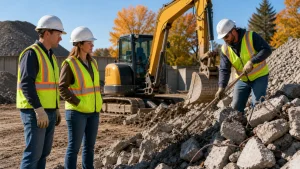
Late fall is often the last stretch to get outdoor cleanup finished before winter truly sets in. Once the snow falls and the ground locks up, moving leftover concrete gets a lot trickier. That’s why we try to time concrete removal before things drop below freezing for good.
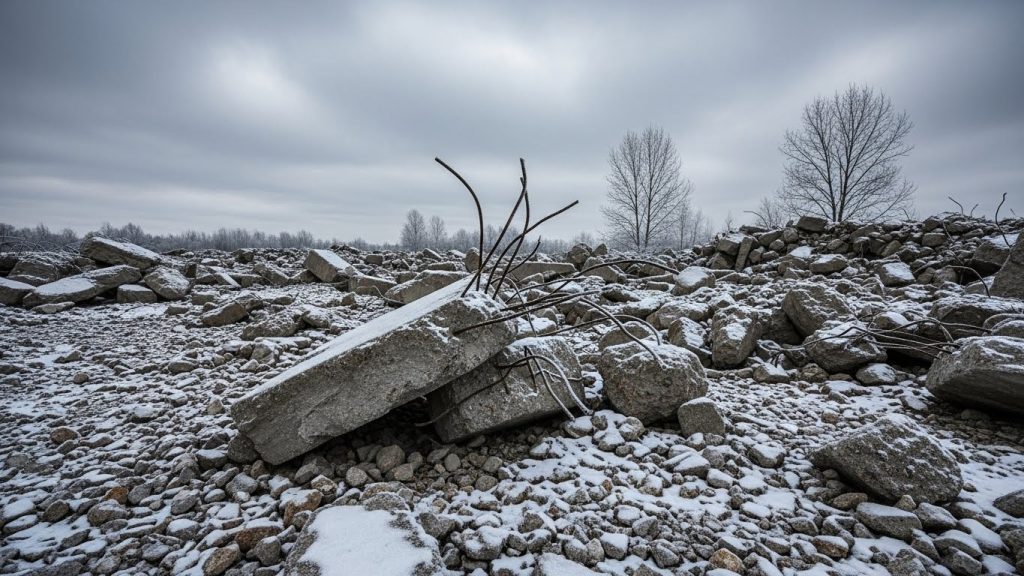
Leftover slabs, broken curbs, or demo piles don’t just take up space; they can be harder to break apart or load once they freeze solid. Wet concrete chunks can ice over and stick together, which adds time and hassle to any cleanup effort. Plus, snow can hide piles that were easy to spot just a week before.
Here are a few materials that are better removed or crushed before temperatures drop further:
• Broken slabs stacked along the edge of the site
• Leftover footings or heavy demo waste from earlier phases
• Concrete chunks pulled from the curb or utility work
By clearing them out ahead of the snow, we keep staging areas clear and avoid frozen blocks that slow equipment down.
On-Site vs Off-Site Disposal in Winter
When winter hits, how we move concrete matters. Some jobs have the space and tools to crush or sort materials right there. Others depend on hauling the waste off-site. Both options work, but winter changes how we think through the best path forward.
On-site crushing can save time if access is good and the weather holds. It cuts out hauling delays and keeps traffic lighter at the gate. But freezing temperatures shrink the working window, especially in the mornings when equipment needs time to warm up or clear frost.
Off-site disposal gives us a cleaner footprint fast, but hauling requires clear roads and steady timing. Icy routes, narrow access, or short daylight hours can make off-site moves harder in December.
Crews usually decide based on:
• How much space is left at the site
• Where the concrete is staged
• Whether trucks can safely load and unload
• How far along the project is, and what’s still active
Winter just tightens the margin. What normally takes an hour may take two. That’s why planning the flow early makes a big difference.
Cold Weather Challenges and Planning Ahead
Frozen ground doesn’t make things impossible, but it does toughen the job. Equipment has to work harder to dig in or lift frozen loads. Tires spin more. And if something’s iced over, we may need to spend part of the morning just breaking it loose.
We try to line up disposal work earlier in the day, before surface moisture becomes ice. If hauling is part of the plan, we keep an eye on salt trucks, freezing rain, and anything that might slow the day down.
Scheduling concrete disposal ahead of a storm is often the smartest move. Once a big freeze hits, everything slows, material thickens, loaders need more time, and even simple staging can get gummed up with snow.
To keep things moving, we:
• Schedule earlier shifts when freezing is overnight
• Pre-inspect all frozen material to avoid surprise delays
• Choose days with clearer forecasts to minimize load interruptions
When we stay a few steps ahead of the cold, we avoid longer delays down the line.
What Happens to Disposed Concrete Materials
Once removed, concrete doesn’t go to waste. Most of it gets crushed and reused in useful ways, especially during the winter season when fresh materials are harder to transport.
Recycled concrete works great as base fill or stable ground under parking lots, driveways, and pads. It packs tightly and holds firm even in cold weather, especially when layered right.
In winter, crews often use it for:
• Grading lots so meltwater drains properly
• Creating temporary access roads on job sites
• Filling gaps that need structure but won’t see full pours until spring
Using recycled materials close to where they’re produced helps avoid trucking in virgin rock from long distances. That’s a big help when the roads are slick or when loads are slow to arrive during a snow event.
Roseville Crushed has been processing and recycling concrete from job sites throughout Southeastern Michigan since 1996, turning heavy debris into high-quality, sustainable building aggregate. Our team combines safe removal with on-site or off-site crushing to match any winter project’s unique cleanup needs.
Keeping Winter Projects on Track with Smart Disposal
Staying on schedule during Michigan’s coldest months takes a bit of planning and a good sense of timing. That’s why concrete disposal in winter isn’t just cleanup, it’s part of keeping the project moving in the right direction.
When old material is cleared on time and recycled smartly, we keep pathways open, limit risks, and reduce what needs to be done after the thaw. Sites stay safer and easier to access for the crews still pushing ahead through the season.
Cold weather isn’t always predictable, but we know how it tends to show up. Knowing our job sites, understanding the timing, and getting waste out before snow piles up makes for cleaner, smoother work all around.
Don’t let winter slow down your projects. Efficient handling of materials through concrete disposal services is essential to maintaining clean and operational job sites in cold weather. At Roseville Crushed, we’re dedicated to helping you navigate the challenges of winter with timely removal and recycling solutions. Contact us to plan a strategy that keeps your site clear and project timelines intact, no matter what the season brings.