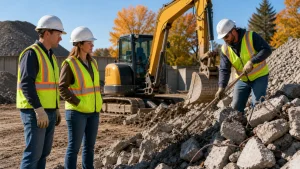
Spring in Michigan doesn’t wait around. One day it’s frozen ground, the next it’s puddles and mud. When the thaw hits, job sites change fast. Surfaces that stayed firm through winter can suddenly turn soft, especially after a good rain. That’s when we start thinking carefully about what’s underfoot. For many Southeastern Michigan contractors, crushed asphalt is a go-to option this time of year. It’s not just recycled material, it’s a way to keep sites stable when nothing else seems to want to dry out. In the sections below, we’ll look at why this material holds up well through seasonal shifts, and how to make the most of it while conditions are still tricky.
What Is Crushed Asphalt and How Is It Made?
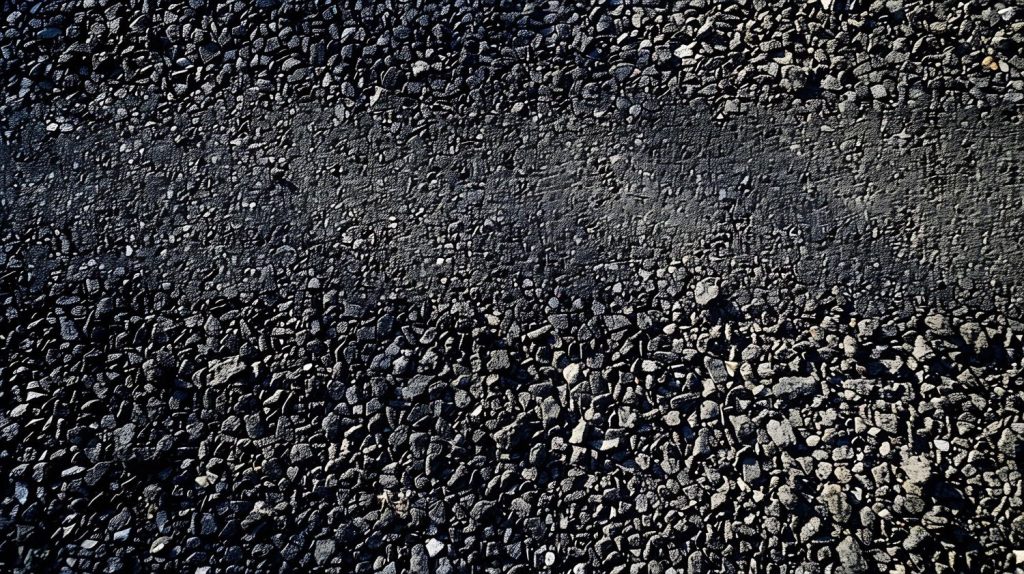
Crushed asphalt starts with used pavement, scraped off roadways and parking lots during resurfacing work. Instead of sending all that material straight to the landfill, it gets broken down into smaller chunks and screened to remove debris. What remains is a rough, recycled mix with solid compaction power.
Compared to clean stone or traditional gravel, crushed asphalt tends to hold together better once it’s placed and packed. The material still carries bits of the binding removed from old roadways, which can help it settle in place and resist washout.
It’s a practical option for contractors working on tight spring schedules. Since it’s often available locally from recycling yards like ours, delivery times can be quicker. The material itself holds up well under typical site traffic once installed. When timing matters and heavy equipment starts rolling in early, having fast access to a surface material that’s already proven itself under tire pressure goes a long way.
Roseville Crushed supplies quality crushed asphalt recycled from local projects for use as driveway, road, or equipment pad base, with pick-up and prompt delivery available throughout Roseville, MI, and Southeastern Michigan.
How Michigan’s Spring Weather Affects Job Site Conditions
Between snowmelt and spring rains, Southeastern Michigan job sites can see more water in April than they know what to do with. The freeze-thaw pattern plays a big role in that. Days warm up fast, but nights still drop below freezing well into April. That leads to surface layers softening up while deeper ground stays cold. Traffic from trucks and graders quickly turns those top layers into mud.
Job sites during this time start to show telltale problems:
- Subgrades soften and become unstable, especially on access paths or drop zones.
- Puddles form on areas with poor drainage or minimal compaction.
- Heavy traffic cuts deep ruts into untreated surfaces, breaking up workflow and wearing out tires.
When conditions shift with every passing storm, material choice makes a difference. A surface that stays intact after rain can prevent days of wheel-spinning delays. That simple detail is often the line between keeping pace or rescheduling deliveries.
Why Crushed Asphalt Performs Well in Wet Conditions
One of the biggest strengths of crushed asphalt is how well it locks together under pressure. Once the material is compacted, it forms a layer that sheds water better than loose stone. That tighter surface means fewer dips, fewer soft spots, and much lower chances of deep rutting.
Here are a few ways crushed asphalt helps on spring sites:
- It creates solid staging areas that hold up under loaded dump trucks or delivery equipment.
- Stacked in thicker layers, it makes strong temporary roads or drive paths across sites.
- When laid with slight pitch or slope, water tends to run off rather than soak in.
We’ve seen it used for everything from base layers on future builds to quick-patch coverage over washed-out areas. It’s not just useful in a perfect world, it’s the kind of material that fits the flexible, fast-moving nature of spring construction. If it’s poured and packed right, it keeps working long after April ends.
Our team at Roseville Crushed has the equipment and expertise to install and compact recycled asphalt for residential, agricultural, and commercial spring projects.
Best Practices for Using Crushed Asphalt in Spring Projects
Using the right material is a good start, but getting it placed correctly makes all the difference. We always recommend working with haulers or site crews who understand how this material behaves in spring conditions. Layering and compacting matter, especially when water run-off or heavy usage is expected.
A few key points to remember:
- Skip thin spreads, an underbuilt layer often breaks apart under wet tires.
- Prep the area by removing soft topsoil or pooled water before placing the material.
- Compact slowly in passes rather than all at once to give the base stability and shape.
- Plan ahead for delivery and placement during dry windows when possible.
Once placed, a properly compacted layer of crushed asphalt becomes more workable over time. Sun and pressure do the finishing touches that bind it down. Those early hours of placement make the most difference.
Built to Handle the Season Ahead
Crushed asphalt doesn’t just survive Michigan’s spring, it helps crews stay ahead of it. When surfaces shift suddenly and time gets tight, this material holds together where others might not. The way it compacts and manages water makes it a smart option during one of the busiest and wettest seasons of the year.
With so many Southeastern Michigan job sites jumping into full gear in April and May, reliable surfaces go a long way. Between the recycled content and all-weather performance, crushed asphalt offers more than convenience. It gives spring projects the edge they need to keep moving, no matter how soft the ground gets or how many sets of tires come rolling through.
Planning your spring construction project doesn’t have to be a gamble with the weather. Choosing the right material like crushed asphalt ensures stable surfaces that can withstand Southeastern Michigan’s notorious spring conditions. At Roseville Crushed, we provide reliable material options to keep your projects moving despite the rain and mud. Contact us today to secure your supplies and keep your timelines intact.