Spring always brings a mix of excitement and mess. As the snow clears around Roseville, MI, construction ramps up fast. That means more demo work, more cleanup, and loads of leftover materials. It’s common for sites to end up with chunks of brick and block, especially after tearing down old buildings, walkways, or chimneys.
When you’re looking at piles of this heavy debris, a big question comes up: can we reuse any of it for fill? It might seem like a no-brainer to save time and hauling space, but using old brick and block in fill work isn’t as straightforward as tossing rubble into a hole. Some types can be useful, but others may just create more problems. To know what works best, we need to look closer at what this debris actually includes, when it’s a smart fit, and how to make sure it’s handled the right way.
What Brick and Block Debris Is
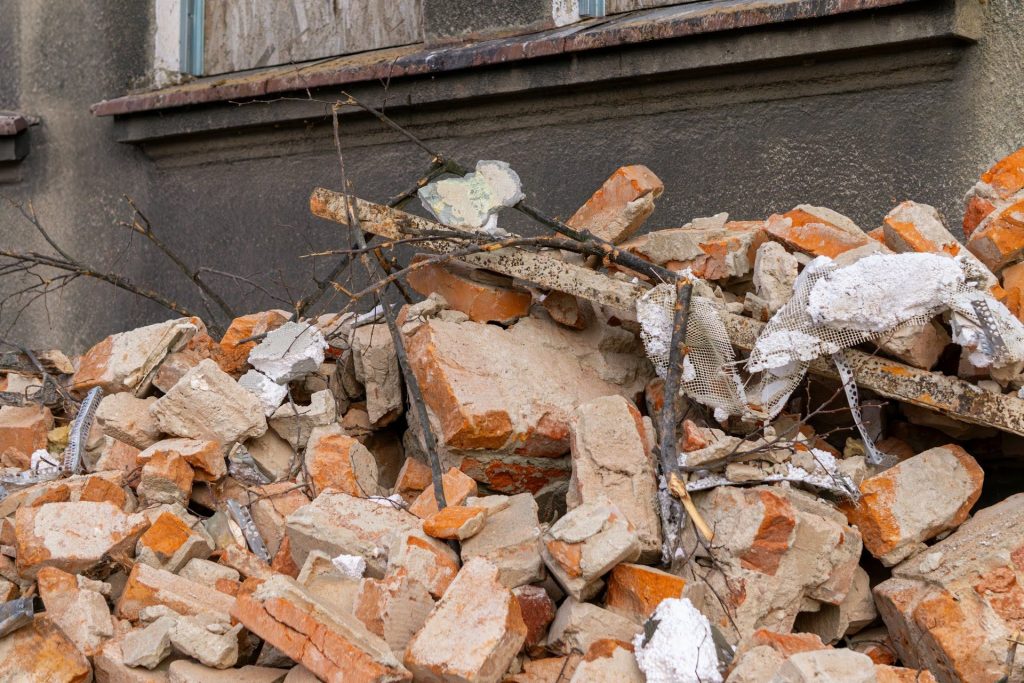
You’ll usually find brick and block coming from places like chimneys, retaining walls, foundations, or patios. It’s the kind of stuff we see most often during spring demolition projects. Sometimes it arrives clean, meaning it’s mostly single-material rubble that’s been kept separate from other kinds of waste. Other times it’s mixed in with garbage, old drywall, wood, or even chemicals from old paint or adhesives.
That matters. Clean brick and block is a lot easier to work with and may have a shot at being a useful fill. But if it’s mixed or contaminated, that option goes away pretty fast. Handling it properly starts with sorting during the demo so we’re not dealing with a mess later.
Roseville Crushed accepts clean brick and block debris for recycling at our Roseville, MI, materials yard and processes reclaimed masonry into usable aggregate for construction fill, subbase, and backfill needs.
When This Material Might Work for Fill
There are cases where cleaned-up and crushed brick and block can be used in fill jobs. It typically depends on the size, stability, and how carefully it’s been processed. If it’s uniform and broken down to smaller chunks, it may provide decent backfill in non-structural settings: places where nobody’s building on top of it or driving heavy equipment across it.
Here’s when it might work:
- Areas where drainage isn’t a major issue
- Projects needing bulk material with minimal settling risks
- Temporary pads or equipment laydown zones where surface smoothness isn’t critical
But that only applies if it’s been cleaned and sorted. Raw chunks straight from the demo pile don’t cut it. That’s where crushing and screening come in. These steps break the material into smaller, more manageable pieces and filter out anything that shouldn’t be reused. Without that step, there’s no safe way to use the debris as fill.
Our yard is equipped to crush, screen, and grade masonry debris down to a specified size for job-ready fill. We offer delivery or on-site processing services to keep spring projects moving and reduce unnecessary waste disposal.
When Brick and Block May Not Be Right
Even if the debris looks solid, it doesn’t always make a good fill. Some risks just aren’t worth taking.
Here’s when it’s usually a no-go:
- Pieces are oversized and irregular: this can cause uneven settling
- Sharp edges could damage nearby materials or pose hazards
- Contamination from older buildings could bring in harmful chemicals
- Mix of materials like plaster, paint, or insulation muddies the quality
Fill that supports foundations, paved surfaces, or structures needs to be uniform, compactable, and stable over time. Loose rubble just doesn’t meet that bar. If the material hasn’t been processed, it can cause shifting, drainage issues, or outright failure later on. That’s why raw debris from the site should never just be used as-is for anything support-related.
Why Recycled Fill Should Be Handled by Professionals
Taking debris from demolition and turning it into safe, usable fill isn’t as simple as picking through a pile. It takes experience, planning, and the right equipment. Professionals know what to look for and how to prepare reused materials so they perform the way they need to on site.
Before we even think about using brick and block for fill, we go through steps like:
- Sorting and separating debris from other waste
- Screening for contaminants or unwanted materials
- Crushing or grading to the right size and consistency
- Checking for moisture content and compaction ability
This kind of prep helps keep your site safer and reduces chances of problems down the road. Since time matters during busy construction months, smart handling up front avoids do-overs later. And when the material is recycled close to where it will be reused, cleanup stays faster and planning gets easier.
Making Smart Use of Reclaimed Materials
We’ve talked to a lot of builders over the years who want to make better use of what gets pulled off their job sites. Brick and block debris isn’t always waste, sometimes it’s a solution, but only when it’s handled with care. Using these materials in fill can work when they’re clean, processed, and matched to the right kind of project.
Figuring out which materials will work comes down to experience. We’ve worked through trial and error so builders don’t have to. Spring builds in places like Roseville, MI, move quickly once they start, and good decisions early make a big difference. Recycling debris into useful fill is one way to work smarter, not harder, when construction season kicks off.
At Roseville Crushed, we have the expertise to transform your demolition leftovers into valuable resources for your projects. Our team specializes in processing and recycling brick and block debris to ensure they are safe and efficient for use as fill material. By choosing our services, you can manage construction waste smarter and support sustainable building practices right from the start. Contact us today to explore how we can help streamline your materials management and keep your builds on track.