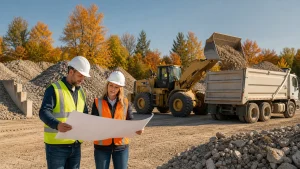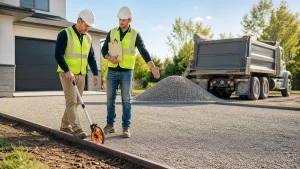
Summer moves fast around here. Crews are working job sites across Southeastern Michigan, and materials come and go daily. When old concrete is pulled up, it needs a place to go. Instead of letting it pile up or get hauled off as waste, we handle it right here through concrete recycling in Roseville, MI.
Recycling used concrete helps turn yesterday’s slab into something useful for the next build. It doesn’t just clean up materials. It keeps projects moving and cuts down on trips to the landfill. From the moment that concrete arrives at our yard, we focus on sorting and processing it into something contractors can trust. Here’s how we make that happen step by step.
What Happens When Concrete First Arrives
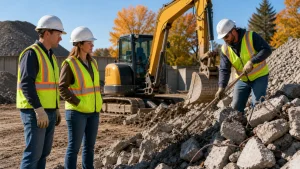
When a load of concrete comes in, it’s usually from demo work, broken slabs, chunks, and rubble collected from teardown jobs across Roseville and the surrounding towns. These materials come in all shapes and sizes depending on where they came from.
- First, we inspect each load before it’s dumped. We’re not just looking for size or volume, we’re watching for trash, dirt, or anything that could ruin the quality of the final product.
- Mixed in with concrete, it’s common to find steel rebar or wire mesh. We catch and remove these using strong magnets or simple tools so they don’t interfere with the crushing process.
- Anything that doesn’t belong is set aside before the next stage begins. Keeping it clean from the start saves time and keeps the final material strong.
Roseville Crushed operates a centrally located concrete recycling yard in Roseville, MI, accepting clean concrete, brick, and block for on-site sorting and processing.
Once the load is sorted, it gets staged for processing. This is where the real work starts.
Breaking Down and Crushing the Concrete
The big pieces don’t stay big for long. With dense equipment built for the job, we begin grinding down the material into smaller, more usable sizes.
- Our loaders and excavators break large chunks into pieces small enough to run through the crusher.
- The pieces enter a crushing machine, where rotating parts force them down into even smaller screened sizes. This is where it begins to look like real aggregate again.
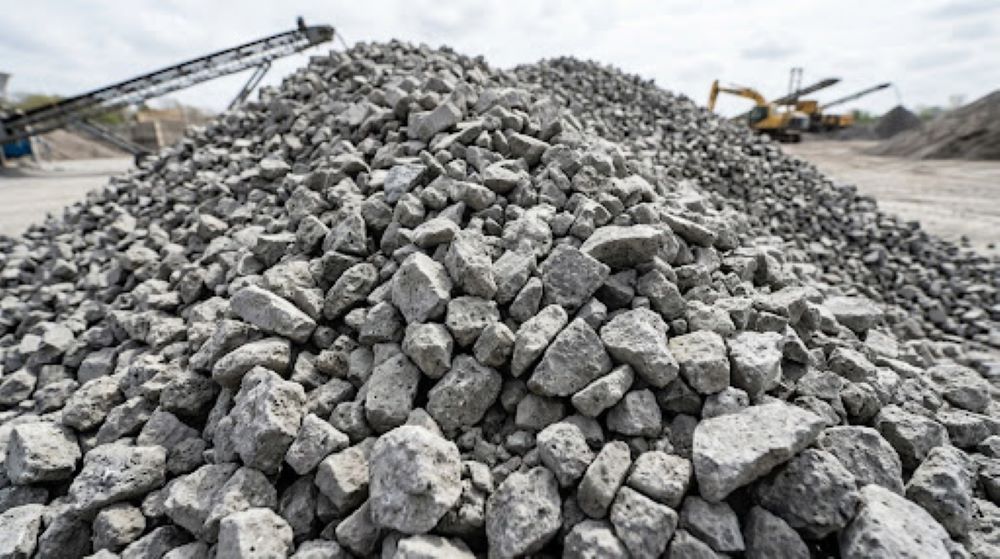
- After crushing, it’s common to sort the concrete into different scales, like 1×3 or finer mixes like 21AA. These sizes match what contractors use for roads, pads, or foundation work.
By now, the concrete has been transformed. What started as a pile of broken-up pavement looks more like clean, ready-to-use stone.
Roseville Crushed uses modern crushing and screening equipment to process hundreds of tons of concrete daily, producing MDOT spec 21AA, 1×3, and fines for construction use.
The Screening and Quality Check Stage
Once pieces are crushed and sorted by size, they’re sent through a series of screens that separate fines from coarse stone. Fines are the smaller bits, while the larger pieces pass through for grading.
- Screening helps us divide the material into ranges. Some contractors need tight compaction and prefer fines, while others want a chunkier base.
- Crews monitor this stage closely. Every batch is different, so we check for consistency and surface texture.
- If something doesn’t meet our standard, we’ll pull it from the pile or run it through again. We don’t take shortcuts when it comes to clean, compactable base material.
This part of the process matters because what’s under the surface of a construction site needs to hold up all season long. A strong build starts below the finish line, and recycled concrete has to be ready for that pressure.
Ready for Reuse: Loading for Contractors and Builders
Everything we process is meant to go right back to work. After sorting and checks, the recycled concrete heads out for delivery or pickup.
- Contractors building roads, parking foundations, work pads, or staging areas come to pick up what they need fast.
- Trucks load up the sorted material according to job specs. Some want coarse pieces, others want blends that compact better.
- Concrete recycling in Roseville, MI gives crews one less thing to wait on. During busy months like June and July, it’s all about speed and staying ahead of the schedule.
Working with Roseville Crushed means builders can schedule pickups or request local delivery for recycled aggregate, ensuring a steady supply that keeps projects moving through the summer build season.
Since much of the material stays local, turnaround is quick. There’s no waiting on long-distance shipments or paying extra to bring material from further out. Once it leaves our yard, it’s already part of the next structure going up.
Where Smart Recycling Pays Off
For those of us handling this work day after day, it’s easy to see the value in recycling. It’s not just about clearing space, it’s about making something usable again.
- Old concrete, once broken and forgotten, becomes a dependable base for new construction. That kind of turnaround is just efficient. It’s practical.
- Contractors trust that the materials they pick up are actually ready to go. Clean batches, sorted sizes, and reliable availability mean fewer job delays and easier scheduling.
- Especially during summer when job timelines tighten, having a source for recycled aggregate helps crews stay ahead instead of struggling to catch up.
By managing the full process from start to finish, we help take concrete from a problem to a solution. It’s hard, dusty work. But once the machines are moving and trucks are rolling out with clean stone, it’s clear how useful this process really is. Solid results always start from the ground up.
Frequently Asked Questions
What materials can be brought in for recycling?
We accept clean concrete, along with brick and block, for on-site sorting and processing. Keeping loads clean helps us turn material around faster and maintain consistent quality.
How do you remove metal like rebar or wire mesh?
We pull out steel rebar, wire mesh, and other unwanted materials before crushing begins. That step keeps the process moving and helps protect the quality of the finished aggregate.
What sizes are available after the concrete is processed?
Processed material is sorted into usable sizes based on job needs, including 1×3, 21AA, and fines. That gives contractors the flexibility to choose the right base for roads, pads, and foundation work.
Can contractors pick up material or request delivery?
Yes, contractors can schedule pickup or request local delivery depending on the job. Fast turnaround helps keep projects moving, especially during the busy summer season.
Why choose recycled concrete instead of hauling old material to a landfill?
Recycling concrete cuts down on waste, keeps usable material local, and helps crews stay on schedule. It turns broken slabs into dependable aggregate that’s ready to go back to work.
At Roseville Crushed, we are committed to transforming old concrete into valuable construction materials. By choosing concrete recycling in Roseville, MI, you save time and reduce waste, keeping projects on schedule and environmentally friendly. Depend on our quality-checked recycled aggregates to maintain project flow and meet demanding timelines. Contact us today to explore how our recycling solutions can support your next build.