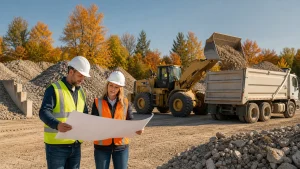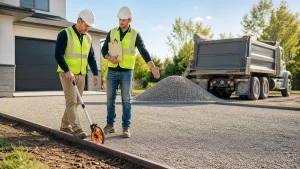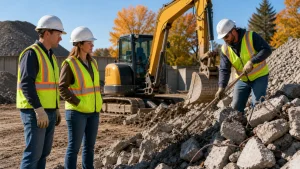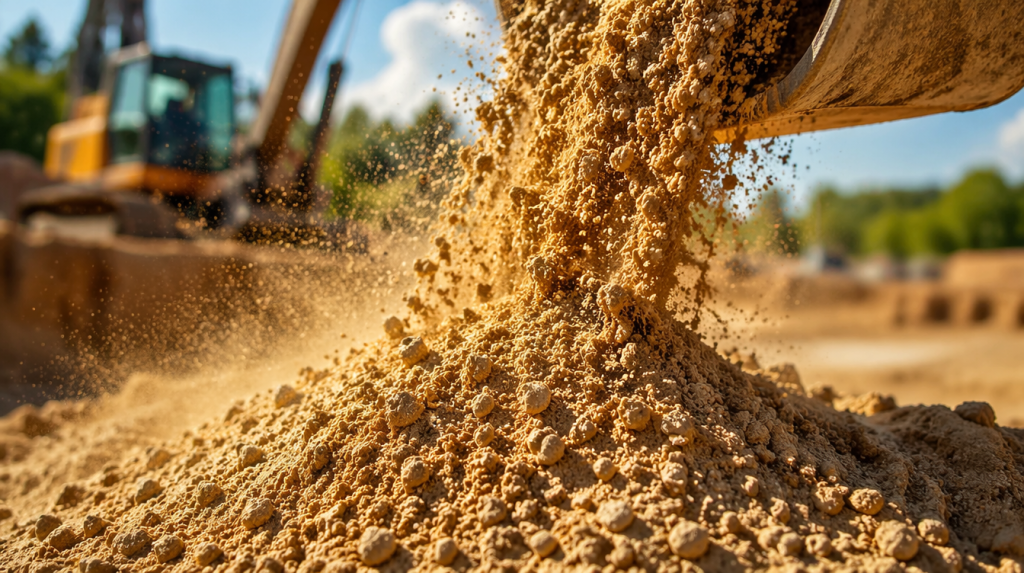
When summer construction season kicks into high gear around Roseville, MI, crews rely on materials that can hold up in dry weather, heat, and heavy use. It’s not just about what looks strong on the surface. It’s about what stays dependable underneath all the way through. That’s where backfill sand really proves itself useful on a job site.
Backfill sand is used on all kinds of projects across Southeastern Michigan. It helps fill open gaps, supports structural parts, and keeps soil from shifting around during the busy summer stretch. Without it, some jobs wouldn’t come together as smoothly or hold up as evenly. It may not be the flashiest part of the build, but when done right, it keeps everything moving.
What Backfill Sand Does on a Job Site
There are plenty of moving parts on a construction site, and backfill is one of the first pieces that helps hold things together, literally. It fills the gaps after digging and puts strength behind the structures going in.
- Backfill sand works well in spaces left around foundation walls, utility trenches, and other underground features. It gives those areas steady support and helps maintain their shape over time.
- Without the right backfill, some spots can sink or shift, creating uneven surfaces or pushing pressure into the wrong places. Sand helps prevent that by giving a consistent, compact base.
- A smart layer of backfill sand also helps with water flow. It’s not just about firmness. Good fill lets rainwater drain without pooling around things that shouldn’t get wet.
Using the right fill early on builds the surface that later parts of the job depend on. Whether it’s laid beside a pipe or behind a wall, sand fills those spaces so the rest of the structure can last.
Why Backfill Sand Works Well During Summer
Summer comes with some big advantages. Dry days and longer daylight hours mean more time to get work done. But those same dry conditions call for materials that won’t hold onto moisture or lose shape between stages. Backfill sand works well for that reason and more.
- Sand spreads fast and dries out quickly when the weather’s hot. That helps speed up setup and keeps things moving without waiting on mud to settle or moisture to clear.
- It compacts easily, especially during Michigan’s dry summer spells. A firm, level layer helps prevent movement under footings, pads, or walkways.
- Crews can adjust it without needing special equipment. If working on tight corners or small spaces, sand slides into place easily and shapes around forms or curves as needed.
Roseville Crushed supplies clean, consistently graded backfill sand for use in foundations, trenches, and subbase layers throughout the summer, with fast delivery from our Roseville, MI, yard to jobs across the region.
Summer isn’t the time to deal with delays from soggy subgrades or slippery soil. That’s why using dry-friendly materials makes such a difference in how smooth a job runs.
Summertime Uses That Call for Backfill Sand
Warm weather brings more outdoor prep, from structural work to landscaping setups. Backfill sand plays a key part in many of these summer-specific uses. It’s not always seen from the surface, but it’s behind most well-built areas.
- Patio bases, garden beds, and walkways almost always need a firm, level backfill layer before anything else can go in. Sand helps smooth things out and prevent later shifts when people start walking or placing items on top.
- Behind retaining walls, sand supports drainage while also strengthening the back curve of the wall. It keeps the ground from pushing too hard and helps avoid bulges or cracks as the soil settles.
- For utility work, backfilling the trenches around cables, drains, or pipes helps keep them safe and evenly supported. Any air gaps or loose space can lead to bending or damage later on if the wrong fill is used.
A big part of building in summer comes down to what happens below the surface. And the spots that call for backfill usually play a major role in how important structures or spaces hold up across seasonal changes.
Local Materials Keep Crews on the Move
Using backfill sand from nearby sources does more than shorten delivery routes. It helps align the work with the soil it’s going into. Southeastern Michigan’s ground has its own patterns, and matching that with the right material makes it easier to plan and prep.
- Sourcing sand locally means it’s already tuned to the type of soil we’re working with in Roseville, MI. It matches better with native ground and helps reduce settling in uneven spots.
- When delivery routes are shorter, we don’t have to wait on long haul times or risk material sitting too long before use. That matters a lot during the summer rush, when one delay can slow the whole schedule.
- Getting the right fill from start to finish means fewer callbacks or corrections later. When sand matches the job and goes in clean, things stay lined up. It saves time and stress during follow-up visits later in the season.
Roseville Crushed offers both pick-up and fast delivery of backfill sand, washed fill, and select aggregate to summer job sites throughout Southeastern Michigan, helping contractors and builders maximize efficiency on every project.
Keeping projects moving through July and August means thinking ahead about what goes underneath, not just on top. Local backfill helps us stay ready without unexpected stops.
A Solid Start Builds a Smoother Summer
On any site, daily progress depends on what happened at the start. Poor ground prep can slow pours, crack surfaces, and throw off schedules. The right backfill sand gives crews a dependable surface that won’t leave surprises down the line.
- It supports clearer setups, quicker installations, and smoother transitions between work stages. Whether prepping for a layer of stone, a slab pour, or a run of utilities, it holds steady under traffic and weight.
- Choosing a backfill that’s easy to move and strong under pressure just makes the day simpler. When the ground holds its shape, the rest of the work can too.
Summer doesn’t leave much breathing room for guessing or reworking. Getting the base layer right gives every job a better chance to run steady all season. With the right fill in place, the rest of the work has something solid to build on.
Frequently Asked Questions
Where is backfill sand most often used on a job site?
Backfill sand is commonly used around foundation walls, utility trenches, and other below-grade features. It fills open space evenly and helps support the areas that matter most underneath the build.
Why does backfill sand work so well during summer construction?
It spreads quickly, compacts well, and handles dry weather without turning into a mess. That helps crews keep moving when timelines are tight and the ground needs to stay workable.
Does backfill sand help with drainage?
Yes, that’s one of the big reasons crews use it. A good sand layer helps water move through instead of collecting around foundations, walls, or buried lines.
Can backfill sand be used for more than foundation work?
Absolutely. It’s also useful under patios, walkways, retaining walls, and other areas that need a firm, level base before the next layer goes in.
Why does local backfill sand make a difference?
Local material helps shorten delivery times and keeps projects from waiting on long hauls. It also makes planning easier when crews need dependable fill without slowing down the rest of the schedule.
Dependable ground support that stands up to summer heat and heavy use is important for your next project in Roseville, MI. We work closely with contractors throughout the area and understand the value of starting strong with the right base material. Our backfill sand is locally sourced for reliable performance, helping you keep your timelines on track and your groundwork solid. At Roseville Crushed, we’re here to keep your materials moving as smoothly as your schedule, call us to discuss how we can help with your upcoming job.