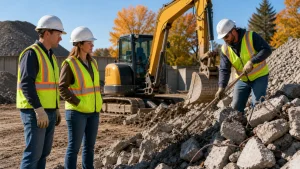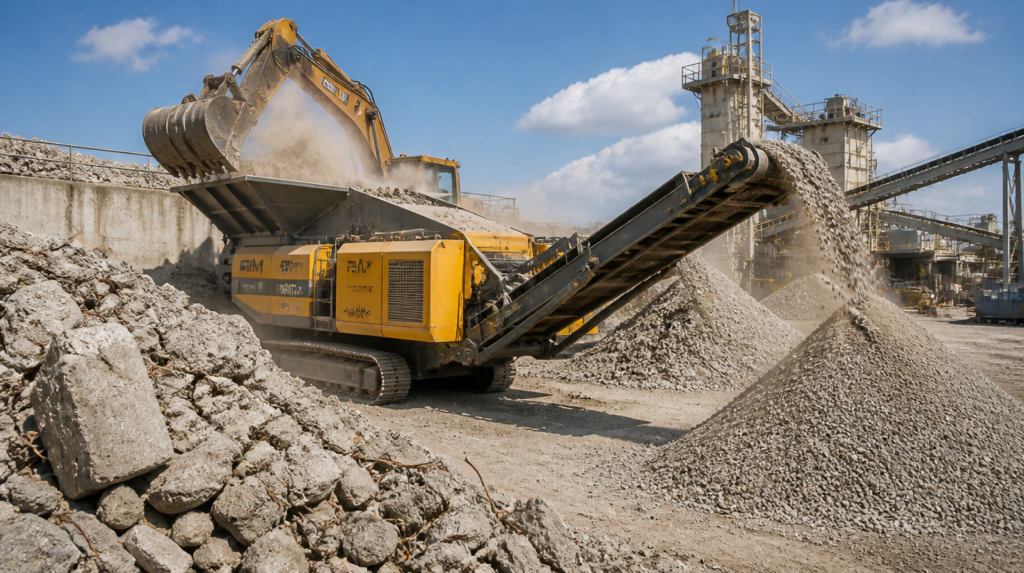
Before any new paving or structure goes in, the old parking lot usually has to come out. In places like Roseville, MI, where summer construction is in full swing, that often means dealing with big, broken slabs of concrete. What happens to that material once it’s out of the ground?
That’s where concrete crushing and recycling come into play. This part of the process isn’t just about getting it off-site. It shapes how cleanup flows, how quickly crews can move forward, and whether that concrete becomes useful again instead of being dumped. Choosing the right path for old parking lot concrete sets the stage for how every next step will work.
Why Parking Lot Concrete Needs Special Handling
Parking lots aren’t made with light materials. The slabs are thick and wide, and many are reinforced with rebar or mesh to support heavy use. That makes them tough to break up and even harder to move without the right plan in place.
- Pieces can be heavy, jagged, and awkward to stack or haul
- If not cleared early, they pile up fast and block other site work
- Sorting and loading as removal happens keeps time from getting lost later
Leaving these slabs sitting around too long isn’t just a matter of cleanup. It slows job site flow, adds physical strain to crews, and increases safety risks. Getting them out of the way early keeps the whole demo process safer and smoother. Every step affects the safety and speed of everyone working on nearby tasks.
Roseville Crushed provides complete concrete crushing and recycling services, including on-site removal, sorting, and trucking for large parking lot demolition projects throughout Southeastern Michigan. Our team is familiar with the best ways to handle tough slabs and avoid hold-ups in site progress.
What Happens to Demolished Concrete
Once concrete is broken up, it’s not always junk. In many cases, it gets a second life if clean enough and processed properly. The fate of this concrete depends on what it’s made of and how it comes off the site.
- Clean chunks of concrete can be sent to crushing yards to get turned into usable rock
- Material with paint, coating, or heavy embedments might go somewhere else, depending on local rules
- Southeastern Michigan has disposal guidelines that can vary between cities or counties, so loading plans often depend on where the lot is located
Planning matters here. If wrong materials get mixed into a load, they can’t be processed and might be sent back or rerouted. That means more delays. But if concrete is sorted right on the front end, hauling becomes simpler and recycling stays on track. Communication between the crew, hauling partners, and recycling facilities saves time and headaches.
Roseville Crushed operates a centrally located recycling yard in Roseville, MI, accepting clean parking lot concrete for crushing and sorting into quality aggregate suitable for bases, fill, or subgrade work. Crushed material can get reused in new construction projects instead of sitting in a landfill, making the most of every load that leaves the project site.
Sometimes, concrete must be checked for things like embedded metals or unusual coatings. Crews take extra care to separate out any pieces with unwanted materials. That way, what makes it to the crushing yard can be processed quickly and turns into a recycled product faster.
Benefits of Recycling Over Dumping
Dumping concrete material may seem easier in the moment, but it’s rarely the best long-term move. There are real advantages to recycling it instead, especially during Michigan’s summer construction season.
- Hauling to landfills can eat up more time and produce more waste
- Recycled concrete can be reused as compacted base or fill, fitting easily into many job types
- Local crushed material has purpose, it cuts down on purchase deliveries and moves the project along
With so much work happening during July, the demand for clean fill and recycled base is high. That just adds more value to the concrete getting pulled off the site. We’re not only making space, we’re creating something useful from what’s leaving. Every project generates a lot of old concrete that can find new life when handled properly.
Recycling also keeps trucks and teams moving locally, cutting travel time and supporting other contractors in the area looking for reliable fill. It makes it possible to keep surfaces on job sites level and safe for shifting tools and crews. By switching from dumping to recycling, we support not only our own projects but future work across the whole region. The sooner concrete gets processed, the less waste piles up, and the cleaner the work site remains.
When to Schedule Concrete Removal
Timing is everything when it comes to demo work, especially with something as heavy as parking lot slabs. Weather, equipment access, and calendar windows all play a role.
- Dry summer conditions make movement more predictable for crews and trucks
- Early July jobs finish in time for mid-season prep like grading, underground, and site layout
- Removing heavy concrete at the right time avoids backlogs later in the build
When the removal lines up with the rest of the work, everyone on the site benefits. Crews stay moving, deliveries stay on schedule, and materials keep flowing where they need to go. That’s important when timelines get tight.
Nobody wants to wait around for debris to clear before starting the next step. When old slabs come out on a steady schedule, the rest of site prep, trenching, or formwork can begin without unplanned delays. Wet weather can slow things down, so dry months are a good time to plan these bigger moves. Working around summer storms can sometimes be tricky, but careful planning and reliable removal keep things on track.
For any parking lot upgrades in Roseville, MI, timing removal and recycling with the rest of the build means smoother handoffs between phases. Pausing work to make room for debris or waiting for trucks to free up makes projects stretch longer than they need. Staying on top of schedules keeps every part of the process moving forward at the right pace.
Clean Lots, Better Starts
Once the concrete is broken up, hauled out, and recycled properly, the difference on-site is clear. There’s more space for the next phase, and crews aren’t climbing over piles of debris or chasing missing hauls.
Recycling gives that old parking lot a fresh purpose, and it clears the way for the job to move forward without hurdles. We’ve seen firsthand how early cleanup leads to better efficiency, fewer reschedules, and quicker starts on new work. The sooner materials get moving, the easier it is to work around tight timelines and keep everyone on the same page.
A clear site is a better site. Making smart choices about handling concrete from the beginning sets the tone for how the rest of the project unfolds. When everything lines up, the momentum keeps going strong. Jobs that start with good cleanup avoid last-minute piles, rushed hauls, and blocked access for following crews.
When recycled concrete is delivered for re-use, new projects start strong on a base that supports both the environment and the quality of the finished job. Using local recycled aggregate helps lower the environmental footprint of construction throughout Roseville, MI. It also helps keep material costs more stable and supports other contractors in need of dependable, affordable fill. Once parking lot concrete is out of the way, new asphalt, pavers, or concrete pads can move ahead without unplanned interruptions. That efficiency passes on savings and helps keep jobs on schedule, start to finish.
We know how important a smooth start is for the whole build process. That’s why we carefully coordinate every step, from breaking up old slabs to hauling and recycling, so nothing holds back site progress. Our focus is on keeping sites in Southeastern Michigan clear, organized, and ready for whatever comes next.
Frequently Asked Questions
Can old parking lot concrete really be reused?
Yes, if the material is clean and sorted properly, it can be crushed and turned into usable aggregate. That gives old slabs a second purpose instead of sending them straight to waste.
Why is parking lot concrete harder to handle than regular debris?
Parking lot slabs are thick, heavy, and often packed with rebar or wire mesh. That makes them tougher to break up, load, and haul without the right equipment and timing.
What slows down concrete recycling on a job site?
Mixed loads are one of the biggest problems. When concrete gets combined with coatings, trash, or other debris, it can delay hauling and keep recyclable material from being processed quickly.
How does recycling help site flow during a parking lot removal?
It clears bulky material out faster and opens space for grading, layout, or underground work to begin. That keeps the next phase from getting stuck behind cleanup.
When should parking lot concrete removal be scheduled?
The best time is when it lines up with demo, hauling access, and the next stage of the build. In summer, dry conditions usually make that timing easier to manage and more predictable.
Upgrade your demolition strategy with efficient concrete crushing and recycling solutions. By choosing to recycle, you transform heavy slabs into reusable materials, reducing waste and supporting the local construction ecosystem. At Roseville Crushed, we streamline your projects by repurposing concrete into valuable aggregates, keeping your site clean and ready for the next phase. Contact us today to discuss how we can optimize your current and future projects.