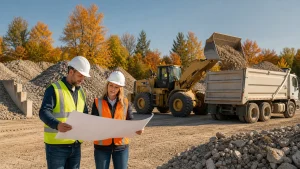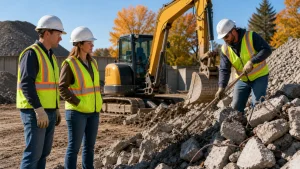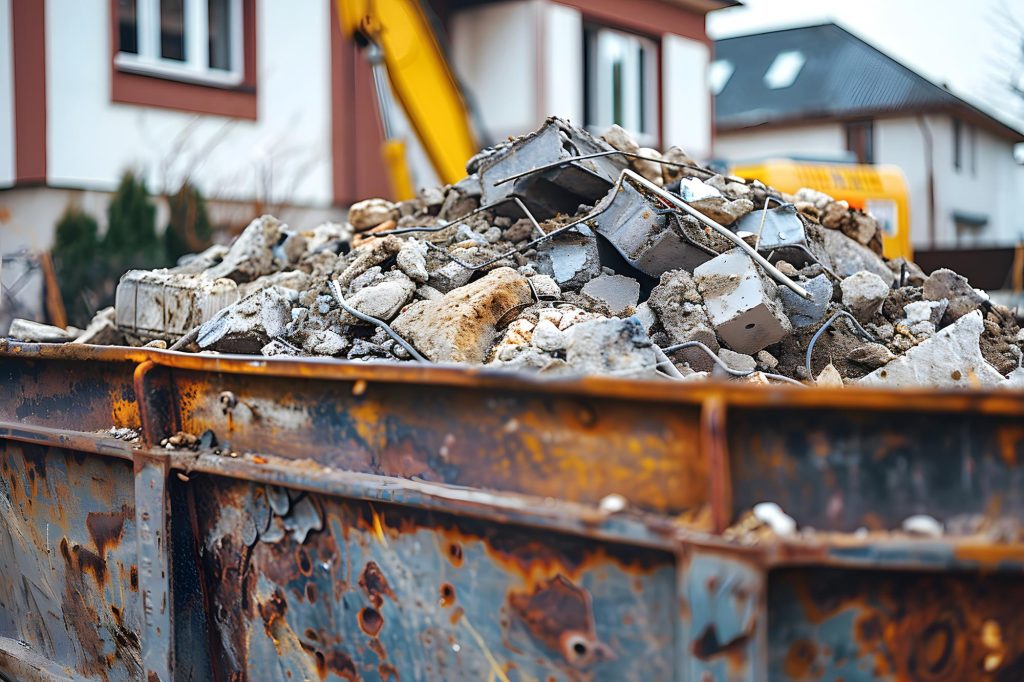
When summer hits Michigan, jobsites pick up the pace. Crews are out early, schedules tighten, and every task moves faster. That speed relies on smart timing, and material removal plays a big part in keeping projects on track. Once demo or site clearing begins, the space fills up with broken block and leftover concrete fast.
Concrete block disposal becomes a key part of the daily flow during this time of year. Without it, work zones fill up, trucks back up, and progress slows. Getting rid of materials early clears the way for new phases to start on time. In the peak heat of late July, every step counts.
Why Summer Jobs Generate More Concrete Waste
Summer gives us a solid window for demolition and major ground work, especially across Southeastern Michigan. Dry weeks mean fewer delays, so large-scale removals happen all over the region. Tasks that crews hold off in early spring, like full tear-outs or foundation removal, get lined up in June and July.
- Blocks from footings, walls, and slabs start stacking up fast as heavy machinery clears out old structures
- Parking areas, pad layouts, and utility trenches leave behind extra concrete that can’t stay put
- Without timely disposal, these piles grow and leave less room for trucks, graders, and supply loads
Roseville Crushed operates a centrally located concrete and block disposal and recycling yard in Roseville, MI, accepting clean block, concrete, brick, and construction debris for quick drop-off and full-scale crushing services.
It’s not just about aesthetics. When there’s nowhere to drop deliveries or move materials, entire build schedules fall behind. Every pile left after demolition is not simply debris, it also claims valuable space, disrupts flow, and brings clutter at just the wrong time. The growing mounds of waste mean the trade crews must work around bigger physical obstacles, pushing teams into tighter and less productive spaces as the job progresses. Even parking for trucks and heavy equipment can disappear surprisingly quickly, which transforms a minor oversight into a series of avoidable bottlenecks.
How Disposal Supports Site Planning
Planning matters on a jobsite, and clutter can derail progress quickly. That’s why early concrete block disposal plays a bigger role than people might think. It helps layout teams get moving without dodging piles of waste.
- Clearing blocks early makes space for staking, trenching, or grading
- Removing scraps lowers the risk of damaged tires, twisted ankles, or unpredictable delays
- Piling material in the right place helps identify reusable chunks versus those headed for crushing
It’s hard to keep progress smooth if equipment needs to weave around half-buried piles. Most crews appreciate having a clean start so they can get their layouts tight and move to the next stage without slowdowns. A tidy jobsite has another payoff: it makes safety checks simpler, too. Hazards stand out more clearly, so walkarounds take less time, and smaller issues are spotted before they grow big. That’s something site supervisors and project managers can count on during the busiest stretches of summer.
Local Recycling Options Keep Everything Moving
Letting concrete block disposal sit onsite doesn’t just look bad, it eats up space every hour it sits there. Thankfully, many of these blocks can be hauled to a nearby crushing yard and turned into new material. Landfilling is rarely needed.
- In places like Roseville, Michigan, recycled concrete stays within driving distance, so disposal moves quicker
- Local providers know the load guidelines and weight approvals by city or township, which makes hauling smoother
- Scheduling pickups through professional recycling options keeps sites active, even through summer storms or last-minute changes
Roseville Crushed offers fast pickup, drop-off, and local recycling for commercial and residential jobs, with experienced staff who handle paperwork, hauling, and truck turnaround.
Instead of waiting on out-of-town schedules, staying close helps local jobs stay ahead. That makes a big difference when days get swamped and temperatures climb. By choosing a recycling solution nearby, project leads can adapt to changing timelines, sudden weather events, or site adjustments much more easily. With local knowledge of restrictions and routes, there’s less risk of miscommunication or waiting for distant haulers to show up. A fast route to a local yard can free up dozens of square feet, hour by hour, letting each stage move along without the usual snags or scheduling headaches.
Choosing the Right Time to Schedule Removal
There’s room to plan here, even in the middle of summer. Disposal moves best when lined up early, before things get too crowded. A good time to schedule pickups is shortly after demo or initial clearing, not after the job runs short on space.
- Booking early avoids being stuck behind midseason trucking delays
- Waiting too long can create tight site conditions or limit where trucks can back in
- Teams that plan block removal early in the summer can pour, frame, or trench without obstacles
Once concrete blocks start backing up near access roads or staging areas, the ripple effect kicks in. That’s when crews must shift around waste instead of staying on task. Summer temperatures and more sunlight can make days longer but not always easier. Extra heat speeds up workflow and evaporation but means heavier equipment needs to keep moving to avoid working in the day’s peak heat. Site space becomes even more precious after a streak of hot, dry weather, turning concrete chunks into one of the main reasons equipment, materials, or framing crews lose their pace.
Smart scheduling is about more than just convenience, it’s about efficiency and safety. Project teams need to factor in not only when the waste is likely to build up, but also when removal will best support the next wave of activity. With a little foresight, combining key stages like clearing, layout, and pouring means there’s no guessing about where the next pile of debris will go. It gives supervisors confidence knowing that wasted hours won’t pile up right alongside the concrete.
Clean Sites, Strong Starts
We’ve seen how jobs move smoother when concrete waste gets handled early. Crews don’t waste time hopping over scrap or trying to reposition gear just to get another piece of rigging in place.
- Clean paths let trades work without obstruction
- Early block removal gives project leads better visibility when staging lines and setting schedules
- Organized sites help avoid weather setbacks too, since it’s easier to react with open space
By clearing the mess early, we help move the job along. Concrete block disposal might not be the flashiest part of the job, but in summer, it’s one of the most helpful. When the waste is gone, the build has room to take shape. That momentum is hard to replace when delays stack up.
Active site management isn’t just about keeping up appearances, it’s about working faster, safer, and more predictably. When material gets sorted quickly, and walkways and equipment routes stay open, jobsites run close to plan. This balanced approach sets everyone up to move from one stage to the next with energy, even during the demanding season of summer.
FAQs
Why is concrete block disposal important in summer?
Summer jobs involve significant demolition and ground work, causing debris to accumulate quickly. Removing this waste promptly prevents clutter, keeps sites safe, and ensures project schedules aren’t delayed by physical obstacles.
Where can I take concrete waste in Roseville, MI?
Roseville Crushed operates a central disposal and recycling yard in Roseville that accepts clean block, concrete, brick, and construction debris, offering quick drop-off and crushing services.
When should I schedule my concrete waste removal?
The best time to book removal is shortly after initial demolition or clearing, rather than waiting until the jobsite runs out of space. This helps avoid midseason trucking delays and keeps your site functional.
How does early waste removal improve site safety?
Clearing waste early eliminates hazards like hidden piles that can cause trips, falls, or equipment damage, while also ensuring that walkarounds and safety checks are completed more efficiently.
Is it possible to recycle concrete blocks instead of landfilling them?
Yes, most concrete blocks can be hauled to a local recycling yard to be processed into new material, which is a sustainable option that keeps resources within the local area and avoids unnecessary landfill use.
Keep your Roseville job site clear and efficient this summer by integrating timely concrete block disposal into your project plan. At Roseville Crushed, our experienced team handles removal swiftly, freeing up space to keep your operations moving smoothly. Don’t let concrete waste bog down your schedule; contact us today to ensure your site is ready to progress in the summer sun. Let’s work together to stay on track and maintain momentum.