Give Late-Summer Projects a Stronger Starting Point
Late summer is a smart time to look over your yard, planting beds, lawn areas, and other outdoor spaces before fall work begins. Cooler days can make planning easier, and early preparation can help keep planting, seeding, cleanup, and material delivery plans from piling up at once.
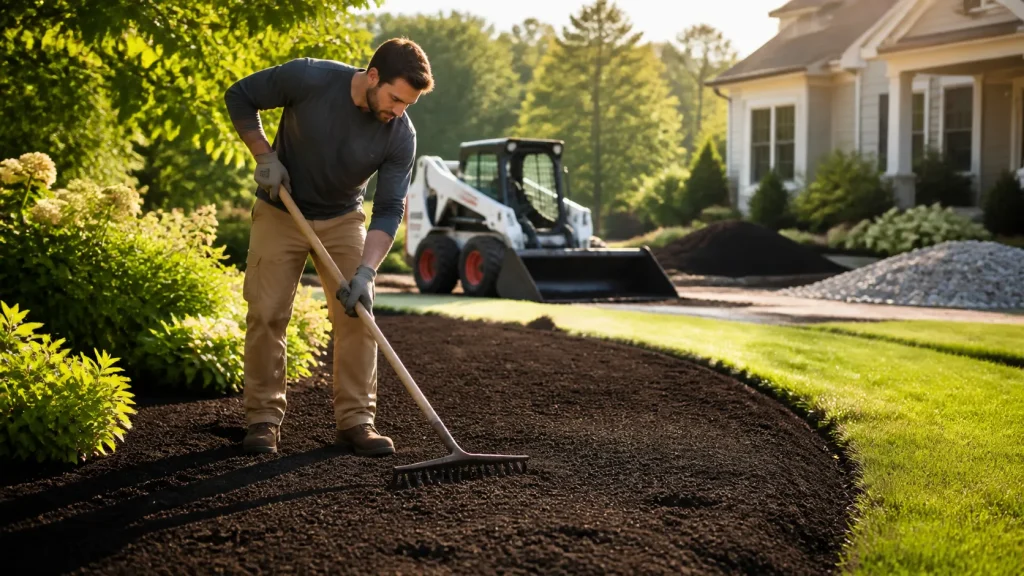
At Roseville Crushed, we often see screened topsoil become part of projects that need a cleaner, more even soil layer. You may need it to fill shallow low spots, refresh planting beds, prepare an area for seed, or create a smoother surface for future work. Still, topsoil is only one piece of the plan. Existing ground conditions, drainage, plant choices, and how you plan to use the area all affect the amount and type of material that may fit best.
Why Screened Topsoil Matters Before Fall Planting
Screened topsoil is soil that has been processed to remove larger rocks, clumps, and debris. The result is a more uniform material that is generally easier to spread across visible areas of a property. That consistency can be helpful when you want planting beds, lawn sections, or borders to start with a cleaner base.
Late-summer projects can vary widely, but screened topsoil may be considered for needs such as:
- Refreshing tired-looking planting beds
- Filling shallow uneven areas
- Building up soil for planned fall planting
- Preparing a cleaner layer before seed, sod, mulch, or plants are added
A fresh layer of screened topsoil does not automatically fix every ground concern. Drainage problems, compacted soil, and fertility needs may require a closer look before major changes are made. When an area has ongoing water issues or poor growing conditions, we recommend working with a qualified planting or soil professional to better understand what is happening below the surface.
Match Soil Depth to Each Project Goal
The right depth depends on what you are trying to accomplish. A light refresh for an established flower bed may call for less material than a new garden area or a larger lawn project. Rather than using the same depth everywhere, consider the condition of each section and the work planned for it.
Before ordering, measure the length and width of the area, then decide on the intended soil depth. Those measurements can be converted into cubic yards, which gives you a more useful estimate for planning material needs. Careful measurements can help prevent a shortage halfway through the project, excess material with no clear place to go, or last-minute changes to delivery plans.
For larger properties, dividing the work into smaller sections can make the process easier to manage. You may have one amount for a raised planting area, another for bare lawn patches, and a different amount for borders or low spots. Each part of the property may have its own needs, so separate measurements usually give a clearer picture than one broad estimate.
Plan Deliveries and Avoid Common Soil Prep Missteps
Getting material plans in place before the busiest part of fall can make outdoor work feel more organized. Late summer gives you time to confirm measurements, think through where material should be placed, and coordinate with your selected professional if one is handling the project.
Before arranging a screened topsoil delivery, it helps to have a few details ready:
- Your estimated quantity in cubic yards
- A clear delivery location with reasonable access
- A plan for moving, spreading, or storing the material
- A schedule that accounts for planting, seeding, and weather-dependent work
Guessing at quantity is one of the most common ways a soil project gets off track. Even a few basic measurements can make ordering decisions more confident. Waiting until the last minute can also make it harder to line up material delivery with planting windows, crew schedules, and changing weather.
Topsoil may not be the only material your project needs. Depending on the goal, you may also need sand, recycled aggregate, limestone, mulch, seed, plants, or other supplies from appropriate providers. Planning the full material list together can reduce unnecessary delays and help each stage of the work fit the next one.
We supply screened topsoil along with recycled aggregates, sand, limestone, and other project materials. Eligible concrete and block materials are also accepted for recycling. Delivery is available, so customers can coordinate material placement around their own project schedule or the plans of their chosen professional.
Prepare for a More Organized Fall Yard Plan
A late-summer review gives you time to identify uneven areas, worn beds, bare lawn sections, and spaces that may need attention before cooler weather arrives. With measured dimensions and a clear goal for each area, screened topsoil can support cleaner planting beds, refreshed lawn spaces, and better-organized seasonal work.
Material planning works best when it begins with the whole property, not just one pile of soil. Consider the condition of the existing ground, the intended use of each area, delivery access, and the other supplies that may be needed. That approach helps keep fall projects focused and practical.
Build A Healthier Foundation For Your Landscape
At Roseville Crushed, we can help you choose screened topsoil suited to gardens, lawns, and other landscape projects. Our team is ready to answer material questions and help clarify your options. Contact us to discuss your project needs and get started with confidence.
Frequently Asked Questions About Screened Topsoil
What is screened topsoil used for?
Screened topsoil is commonly used to refresh planting beds, fill shallow low spots, prepare areas for seed, and create a more uniform soil layer for outdoor projects.
What makes screened topsoil different from unscreened soil?
Screened topsoil has been processed to remove larger rocks, debris, and clumps. This generally creates a more consistent material that is easier to handle and spread.
How much screened topsoil do I need?
The amount depends on the length, width, and desired depth of the project area. Measure the space carefully and convert the total volume to cubic yards before ordering.
Can screened topsoil help with late-summer planting projects?
Yes. It can be useful for refreshing garden beds and preparing areas for fall planting or seeding, depending on the project and existing ground conditions.
Does Roseville Crushed offer delivery for screened topsoil?
We offer delivery for screened topsoil and other available project materials. Having quantity estimates and delivery details ready helps us understand what fits your plans.