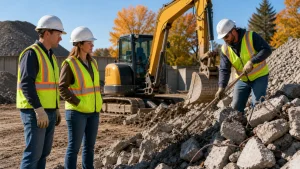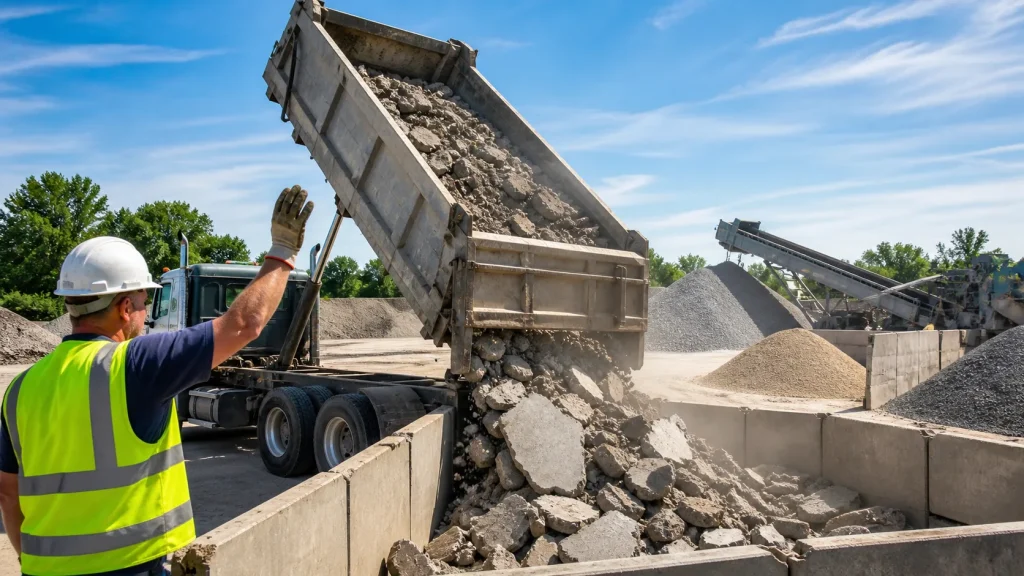
Concrete waste can take over a demolition site quickly if there is no plan for where it will go. By organizing qualifying materials before demolition begins, you can reduce pileups, keep truck paths clearer, and give every type of debris a place to go. That makes the site easier for crews and equipment to move through.
Concrete from sidewalks, slabs, curbs, foundations, and similar project areas can often move from demolition debris to recyclable material. As a locally owned, woman-owned recycling facility serving Southeastern Michigan, we help customers prepare for a concrete waste drop-off and plan for the materials they may need afterward. Below, we explain how to sort debris, estimate loads, prepare for hauling, and confirm requirements before departure.
Sort Materials Before They Reach the Load
The cleanest loads usually start with organized demolition work. Rather than putting every kind of debris into one pile and trying to sort it later, we recommend setting aside designated areas for concrete and for materials that need separate handling. This can save time when trucks, trailers, or containers arrive on-site.
Concrete should be kept apart from mixed construction waste whenever possible. Common materials that may need to be removed or placed in separate piles include:
- Household trash
- Wood and lumber
- Plastic and packaging
- Insulation
- Roofing debris and other mixed waste
Acceptance requirements can change based on the material and its condition, so it is smart to confirm what qualifies before hauling. If concrete has attached materials or comes from a mixed demolition area, share those details with us ahead of time.
Clear instructions also matter. Before work starts, make sure demolition crews, subcontractors, and equipment operators understand which pile is for concrete and which materials should stay out of it. A cleaner pile is easier to load, easier to identify, and easier to manage during a concrete waste drop-off.
Measure Debris and Match Your Hauling Plan
Concrete is heavier than it looks, especially once broken pieces are loaded together. Before arranging hauling, look at the size of the area being removed, the thickness of the slab, and the type of concrete involved. A thin sidewalk section and a deep foundation can create very different amounts of material.
It also helps to leave room in your estimate for debris you may not see at first. Curbs, footings, buried concrete, and old additions can add material once demolition begins. Planning for those surprises can keep the project from slowing down when the first load is ready to leave.
Your hauling setup should fit both the amount of material and the access available at the site. Depending on the project, you may be working with:
- A pickup truck
- A dump trailer
- A roll-off container
- A commercial dump truck
Every vehicle has weight limits, and safe loading should always come first. Avoid overloading a truck or trailer, and make sure the load is balanced and secured. When the job involves larger amounts of concrete or limited room for equipment, we recommend coordinating with experienced hauling professionals.
Timing matters, too. When demolition and hauling are planned together, concrete does not need to sit in the way of equipment, deliveries, or the next phase of the project.
Prepare for a Concrete Waste Drop-Off Before Departure
Before a truck leaves the job site, confirm the details of your concrete waste drop-off with us. Be ready to describe the type of material, your estimated volume, the vehicle you are bringing, and whether the load has mixed or attached materials. That conversation can help prevent surprises at arrival.
A simple pre-departure check can keep the day moving smoothly:
- Confirm that the material meets current acceptance requirements
- Secure the load for safe travel
- Verify the facility location and operating hours
- Make sure the driver knows what material is in the load
- Plan for additional loads if the project is larger than expected
The route deserves some thought as well. Consider how trucks will exit the site, where they can turn around, and whether traffic or limited access could affect the schedule. For jobs with several loads, a clear route and hauling order can help keep the demolition area open and more manageable.
Plan for Fall Weather and Tighter Timelines
In Southeastern Michigan, fall can bring cooler temperatures, rain, shorter daylight hours, and changing construction schedules. Those conditions do not have to disrupt demolition cleanup, but they do make early planning more helpful. A pile of broken concrete can become a bigger obstacle when wet weather arrives or crews need to move quickly.
Instead of waiting until the project is nearly finished, plan material removal as demolition is being scheduled. That gives you more room to manage weather delays, equipment access, and changing work plans. It can also keep debris from blocking areas needed for the next stage of the project.
Material planning often continues after the concrete leaves the site. Depending on what comes next, you may need recycled aggregates, sand, topsoil, limestone, or other bulk materials. We supply these bulk materials with delivery available, helping customers coordinate demolition cleanup with future project needs.
Confirm Your Drop-Off and Plan Material Needs
A smooth demolition cleanup starts long before a truck is loaded. Sorting materials, estimating the amount of concrete, planning safe hauling, and confirming acceptance requirements can make a concrete waste drop-off more orderly from start to finish.
We encourage contractors, homeowners, and property managers to confirm qualifying materials and drop-off details before demolition begins. Planning ahead also makes it easier to consider whether recycled aggregates, sand, topsoil, limestone, or other bulk materials may be needed after the site is cleared.
Keep Your Project Moving With Reliable Disposal
At Roseville Crushed, we help make material disposal straightforward for projects of all sizes. Review our concrete waste drop-off options to find the right fit for your load. Contact us with questions about accepted materials, quantities, or availability before you arrive.
Concrete Waste Drop-Off Questions Answered
What materials should I separate from concrete before a drop-off?
Keep concrete separate from trash, wood, plastic, insulation, roofing materials, and other mixed debris. Confirm with us before hauling if you are unsure whether a material qualifies.
Should I confirm details before bringing in concrete waste?
Yes. Confirming details ahead of time can help you verify current acceptance requirements, operating hours, the material type, and any conditions that may affect your drop-off.
How do I estimate how much concrete I need to haul?
Measure the length, width, and thickness of the concrete area being removed. Include extra material that may come from curbs, footings, or buried sections that are not visible at first.
Can I bring a mixed load from a demolition project?
Mixed loads may need more sorting or may not qualify for recycling. Keeping concrete separate from other demolition debris is usually the best way to prepare for drop-off.
Can Roseville Crushed deliver bulk materials after demolition?
Yes. We supply recycled aggregates, sand, topsoil, limestone, and other bulk materials, with delivery available for qualifying orders.