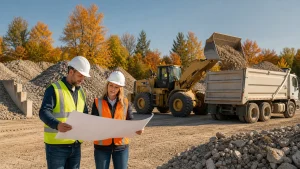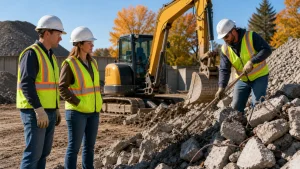
Backfill might seem like one of those behind-the-scenes parts of foundation repair, but it plays a big part in how the ground settles and holds up over time. The type of backfill sand used can keep water moving away from a structure or trap it where it causes problems. Around Roseville and across Southeastern Michigan, the kind of fill selected can make or break how long a foundation stays steady, especially with cold months right around the corner.
By late September, many repair crews in this region are moving fast to close out outdoor work. Once deep freezes start showing up, ground movement gets unpredictable, and backfill that seemed okay in warmer weather can shift. Picking the right sand now lets the soil settle before frost appears while keeping drainage in check as temps drop. That’s why the material you put back into the hole matters as much as what was repaired in the first place.
What Makes a Material Good for Foundation Backfill
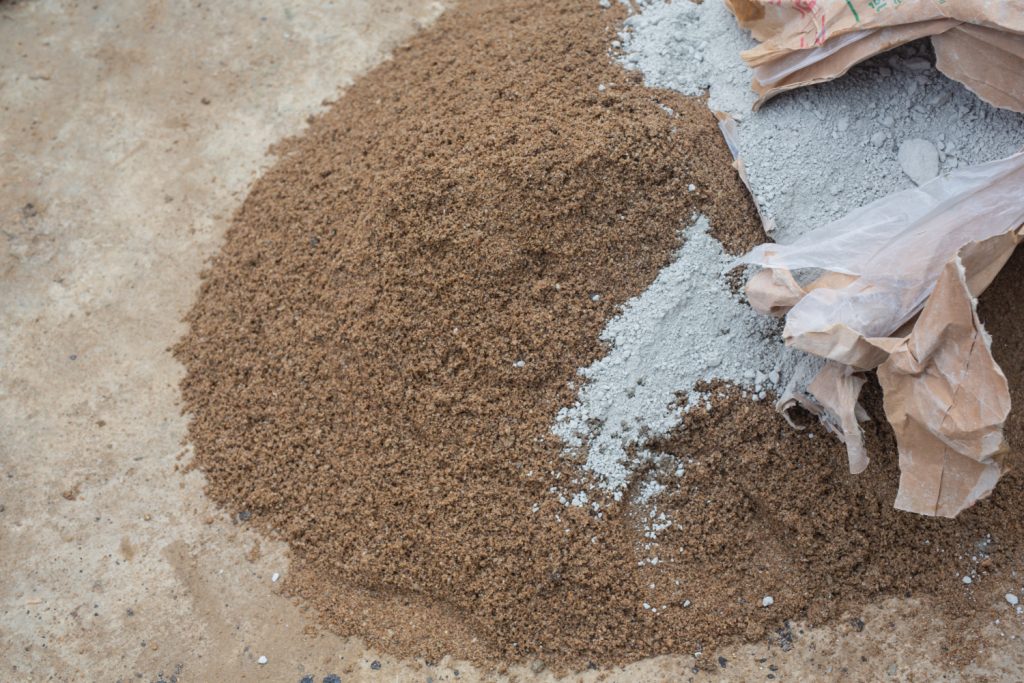
Not all sand is the same, and its job isn’t just to take up space. It needs to hold the soil, let water pass, and prevent shifting around repaired walls or footings. A good backfill material packs tight without trapping water. At the same time, it should allow enough movement for moisture to drain, keeping pressure off the structure.
When a material holds too much clay or fine silt, it acts like a sponge. Water builds up and stays longer than it should, which leads to swelling or slow settling. That can cause walls to crack or tilt, especially when overnight temps drop fast. Sand that’s too loose or rocky works against compaction, letting gaps form under sidewalks or slabs.
The goal is clean, reliable sand that sits tight and drains consistently. When chosen well, backfill sand keeps its shape while guiding runoff away from the structure. When winter comes, it can shift less than other mixes and recover in the spring with less movement.
Differences Between Common Backfill Materials
Most backfill work involves a few basic types. Coarse sand is usually clean and stable, packing firmly and letting water drain without pooling. Gravelly sands can be useful too, especially in larger spaces, but the uneven sizes make it harder to get the same density everywhere. Mixes with crushed concrete can work in some cases, especially around utility trenches or in wetter areas.
Some properties use whatever’s close, from native topsoil to leftover fill from another site. That usually leads to trouble later on. The best backfill sand for foundations tends to have a consistent grain and texture so it won’t clump or shift as it settles.
Here in Michigan, picking material that handles big temperature swings matters a lot. We all know how the ground can freeze hard one week in October and soften up just enough to fool you before the next cold snap. That kind of changing soil tears apart loose or uneven fill. When selecting sand for foundation work, focus on shape, size, and material stability more than color or cost.
Roseville Crushed provides clean sand and recycled concrete aggregate that are screened for size and moisture content, helping maintain even compaction and reliable drainage around new or repaired foundations.
Problems That Come from Using the Wrong Sand Type
Putting poor backfill up against fresh concrete can undo a repair before winter’s even finished. Soil that can’t drain builds up excess pressure against basement walls or crawlspace footings. Pools of water might not show up right away, but the stress adds up until cracks appear or the wall shifts.
Around Roseville, homes with minor settling have turned into big headaches after backfill shifts through a couple freeze-thaw cycles. Older houses and low-lying spots where drainage is already slow are especially at risk. Once backfill starts slumping, it can pull the structure out of line and leave hollow spots under slabs or drives.
Uneven settling is another common issue. If the fill slides at different rates beneath a porch or slab, support ends up uneven. That often leaves dips in patios or splitting walkways, or it can open gaps in load-bearing walls. In some winters, frost pushes loose fill upward then drops it again when it melts. That movement puts extra wear on brand-new repairs.
A durable, well-draining backfill sand limits these problems. Consistency is the key, keeping the fill from moving or shrinking as the weather goes from freeze to thaw. If the sand is in place well before the first frost, it stands an even better chance of staying that way all winter.
When Fall Deadlines Mean Choosing the Right Sand Faster
September moves fast for outdoor jobs across Southeastern Michigan. Shorter daylight, rain delays, and dropping temperatures all make closing foundation repairs tougher once fall hits. Trench work needs to be quick and reliable, with no surprises from soil that freezes or turns to mud before the backfill goes in.
That’s a big reason to get your backfill sand sorted early. If trenches are still open after a cold snap, it’s easy to wind up with frozen soil or trucks getting stuck trying to deliver in wet, soft conditions during late fall. Missing that delivery can drag the job from a simple patch-up into weeks of extra work and scheduling trouble.
Order solid, screened sand while access is still good and the ground stays workable. When the right material arrives on time, the crew can close up trenches for good, instead of racing the weather or risking a rushed, sloppy finish.
– Roseville Crushed offers foundation backfill sand that is washed and graded to eliminate fine dust and oversized chunks, which helps prevent water retention and settling problems in Michigan’s variable soils.
How Smart Backfill Choices Lead to Better Results
Backfill might not be the most visible part of a job, but it supports everything that follows. The right sand protects edges, sheds water, and helps the ground hold steady as weather changes from fall to spring.
The wrong sand type can trap water, drift, or lose strength once winter blasts through. The right one fills in tight, drains well, and hangs together for years, even in places where Michigan’s freeze-thaw cycles are hardest. Keep an eye on your site and handle ground prep carefully, and every repair will last longer.
Smart choices about backfill sand mean you won’t need to go back and redo work every year. Good fill turns today’s foundation repair into a stronger, longer-lasting fix that holds up when the ground gets tough.
As the crisp fall air settles in, ensure your foundation is as solid as your plans. When it comes to reliable and effective foundation support in Michigan’s fluctuating weather, choosing the right backfill sand is crucial. Trust Roseville Crushed to deliver top-quality sand that keeps your structures secure and drainage efficient. Let us help you finish your project strong before winter arrives—reach out today!