Concrete is one of the most used materials in the world, finding its way into sidewalks, buildings, and driveways. But when these structures need to be torn down, what should happen to all that concrete? Throwing it away is not only wasteful but also bad for the environment. There’s a better way! Recycling concrete is an eco-friendly solution that helps keep our planet clean while providing new materials for other projects.
In Southeastern Michigan, concrete recycling is a growing practice. Turning old concrete into something useful is a smart idea that also saves money. By doing this, we reduce the need for new gravel, which means fewer resources are taken from the earth. Plus, recycled concrete can be used in lots of ways, like making new roads, laying foundations, or even landscaping.
Learning how recycling works can make a big difference. Whether you’re cleaning out your garage or working on a big construction site, knowing the best practices for recycling concrete in our region will help you contribute to a cleaner world.
Understanding Concrete Recycling in Southeastern Michigan
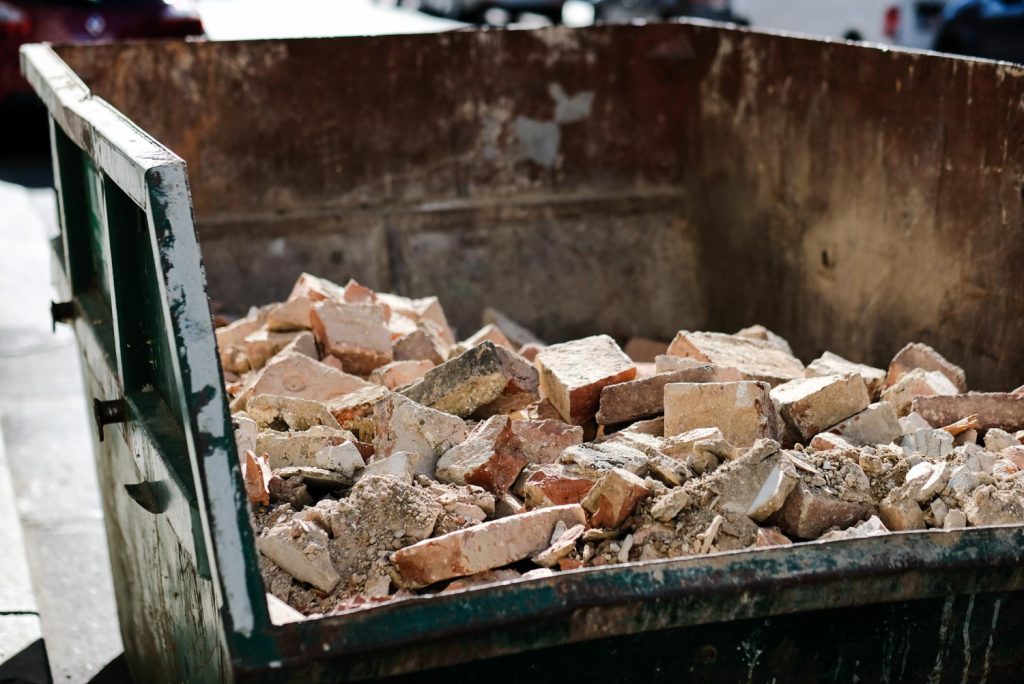
Concrete recycling in Southeastern Michigan is a practical solution for managing waste from demolitions and construction. Instead of sending old concrete to landfills, it gets a second life through recycling. This process turns unwanted concrete into useful materials, reducing the need for new resources.
Local recycling centers play an important role. They collect concrete waste from various sites, making it easier for businesses and homeowners to recycle. Knowing where to take your old concrete is the first step. In Southeast Michigan, facilities are conveniently located for easy drop-off.
Once collected, the concrete is crushed and treated to remove impurities, such as steel reinforcements. Recycling centers might use different machinery for this, including large crushers and mobile units. Understanding this process is vital because it highlights how new, reusable materials are created.
There are several materials you can get from recycled concrete:
– Crushed Concrete: Ideal for road bases and patios.
– Asphalt Millings: A good choice for driveways.
– Crushed Asphalt: Used in similar ways as millings.
– 21AA Crushed Concrete: Common for maintaining gravel roads.
– 1×3 Crushed Concrete: Suitable for larger-scale projects like driveways.
– Pea Stone and Brick and Block: Often used in landscaping and decorative projects.
Recycling not only helps the environment but also saves money. Buying recycled materials often costs less compared to new products. When you use these materials, you’re making a positive impact on your budget and the planet.
Key Steps in the Concrete Crushing Process
The process of concrete crushing transforms unwanted concrete into valuable products. Each step is designed to maximize the use of materials while minimizing waste.
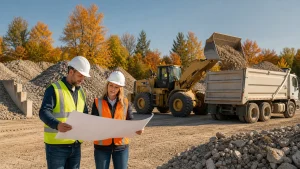
1. Collection: The journey starts with collecting concrete waste. This can come from demolished buildings, roads, or sidewalks. Mobile crushing units sometimes visit sites to make collection easier.
2. Sorting: Once collected, the concrete is sorted to remove debris. Metal, wood, and other trash are separated to ensure high-quality output. Sorting can be done manually or with the aid of machines.
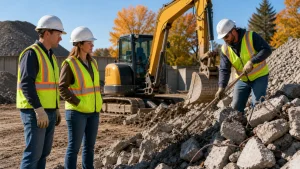
3. Crushing: After sorting, concrete is fed into large crushers. These machines break down the concrete into smaller fragments. Crushing is key to reprocessing concrete into reusable items like crushed stone or gravel.
4. Screening: Crushed concrete goes through screening to sort sizes. Smaller pieces might be used for road base, while larger chunks could suit construction fills or foundations.
5. Reprocessing: Sometimes, the crushed concrete may need further processing. This involves additional crushing or sorting to meet specific size and quality standards demanded by different projects.
Keeping these steps in mind helps ensure effective concrete recycling. By understanding each phase, you can better appreciate how old concrete turns into useful new products. This process helps support sustainable building practices and resource conservation in Southeastern Michigan.
Benefits of Using Recycled Concrete Materials
Choosing recycled concrete for your projects has several advantages. One major benefit is the cost savings. Recycled concrete is often cheaper than new materials. This means that projects can be completed at a lower budget, which is a great option for both small and large projects.
Recycling concrete also helps the environment. By reusing this material, we reduce the need for raw resources like gravel and sand. This conservation helps preserve natural landscapes and reduces mining activities that harm the earth. Furthermore, recycling concrete keeps waste out of landfills, reducing the environmental footprint.
The quality of recycled concrete is another strong point. Modern processing methods ensure that recycled materials meet high standards. These materials are sturdy and dependable, making them perfect for construction jobs. You can use them in various applications, such as:
– Road surfaces and parking lots.
– Building foundations and retaining walls.
– Landscaping features and garden paths.
Lastly, using recycled concrete supports local economies. It encourages job growth in recycling centers and related businesses. By choosing recycled products, you’re contributing to the growth and sustainability of local communities.
Tips for Efficient Concrete Disposal and Material Delivery
Effective concrete disposal and delivery make a big difference in project success. First, it’s essential to plan for proper waste management. Knowing where to take your concrete for recycling can streamline your operations and help avoid unnecessary delays.
Identify local recycling facilities that accept concrete waste. Making use of mobile concrete crushing services can be helpful if access to large amounts of waste is a challenge. These services come to the site, making the process easier and reducing transportation costs.
When it comes to material delivery, timing is crucial. Coordinating with suppliers ensures efficient delivery without unnecessary waiting. On-time delivery helps maintain project schedules and keeps costs in check.
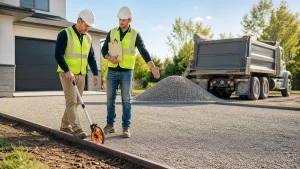
Consider hiring hourly trucking services to manage logistics better. They help with both disposal and delivery tasks. Having someone take care of transportation means you can focus on other critical aspects of your project.
For best results, establish a relationship with reputable suppliers. They can provide not just concrete products but also asphalt millings, screened topsoil, and limestone supplies. By maintaining an open line of communication, you ensure that all materials meet specifications and arrive when needed.
Conclusion
Concrete recycling is a smart choice for anyone involved in construction or demolition in Southeastern Michigan. By recycling your concrete, you contribute to environmental conservation and save money. It’s a simple way of turning old, unusable materials into valuable resources for new projects.
Not only does recycling help your budget, but it also supports local jobs and businesses. The use of recycled concrete products, from crushed concrete to asphalt millings, provides affordable alternatives that meet eco-friendly goals. Plus, with the easy availability of services like mobile crushing and material delivery, your project can proceed smoothly and efficiently.
Working with reliable partners like Roseville Crushed ensures your recycling and material delivery needs are met. Whether it’s for concrete waste drop-off or precise delivery schedules, we can help make your projects successful and sustainable. Let Roseville Crushed guide you through the best practices in concrete recycling in Roseville today.