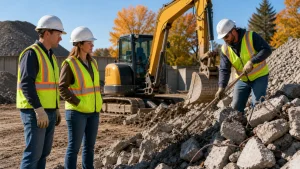
Concrete disposal sites play a bigger role in winter than most people realize. As outdoor construction slows down and cold weather takes hold, crews are left figuring out what to do with leftover material that can’t just sit around. Frozen debris, blocked access points, and short workdays all make it harder to keep sites clear. For those working in Southeastern Michigan, where winter can hit hard, finding the right place to bring old concrete becomes more than a routine task, it becomes part of staying safe, organized, and on schedule.
When the ground starts to freeze and snow is in the forecast, we’ve got to move fast. Concrete can’t be left piled up at active job sites without causing problems. That’s why choosing the right concrete disposal sites before winter really kicks in is smarter than waiting too long.
Choosing the Right Site for Concrete Disposal
Every job needs something a little different when it comes to concrete drop-off. Some sites fill up fast, others are hard to reach once snow falls, and not every site handles the material the same way. That’s why location, access, and capacity matter now more than any other time of year.
Here’s what we look for when choosing where to haul concrete:
• Is the disposal site nearby, or will we lose time to long hauls?
• Can large trucks get in and out safely, even with icy roads or narrow paths?
• Does the site have enough space to take bulk concrete from several jobs?
Some sites that work well in summer aren’t as reliable in winter. A long gravel drive might be fine in dry weather but become a serious problem once it ices over. Slippery approaches or poor snow removal can slow things down fast. We’ve learned that watching the weather and choosing access routes that stay clear can make a big difference.
At Roseville Crushed, our site accepts concrete disposal year-round and is equipped to accommodate both large contractors and smaller haulers with easy drive-on unloading areas. Having a disposal site with reliable winter access helps keep schedules on track, especially when crews are under pressure to meet tight deadlines.
Winter-Specific Challenges at Disposal Sites
Cold affects everything, how we move, when we work, and where we go. At disposal sites, winter forces changes we all have to work around. Snow piles block entrances. Freezing temps make concrete tougher to unload or break down. And with less daylight, we’re often racing the clock to finish drop-offs safely.
A few winter problems we run into include:
• Ice buildup that makes drop-off areas slick or unsafe
• Frozen ground that stops machines from breaking apart slabs
• Shorter days that reduce available working hours and limit safe drop-offs
Finding sites that adjust to these conditions helps keep things moving. Some places close earlier or open later when the weather turns rough. Others may slow their intake or limit how much they can take each day. We plan ahead so we’re not showing up late with a full load and nowhere to dump it.
Staying flexible during winter months is crucial, as conditions can change quickly. Sometimes, crews need to coordinate closely with site managers to confirm when loads are accepted and if changes in operating hours have been made due to snow or freezing temperatures.
What Happens to the Concrete Once It’s Dropped Off
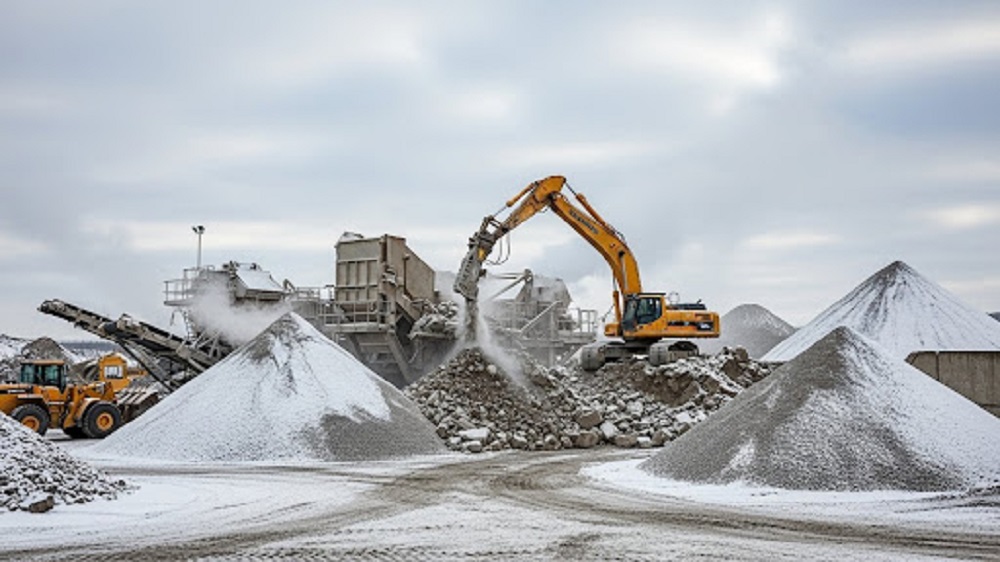
Winter doesn’t stop the process, but it does shift how things are handled. Most concrete disposal sites in December don’t crush or clean on the spot like they do in warmer months. Instead, materials are usually stockpiled, sometimes for weeks, sometimes for the entire season. That allows the site to prep the material for crushing once warmer weather returns and the equipment can safely operate.
We’ve seen some concrete crushed into bulk fill even in winter if the conditions allow. That recycled material is often set aside and used as:
• Grading fill for frozen lots or staging areas
• Base in temporary roadways or on muddy spots that freeze overnight
• Early prep work for spring projects that will resume once the thaw begins
Even in the colder months, recycled concrete has its uses. Crews use it to build up low spots or keep roads passable when snow starts piling up. It might not be the same pace as summer, but it’s still active.
Roseville Crushed uses a proven recycling process for all accepted concrete, transforming it into high-quality base and fill aggregates ready for spring construction and repairs throughout Southeastern Michigan. Processing may slow during peak winter, but materials continue to move from job sites to storage, keeping future projects supplied.
Safety and Timing Tips for Winter Disposal Planning
Planning drop offs ahead of time can save more than just hours, it keeps crews safe too. Slippery roads, frozen debris, and low visibility all make winter hauling riskier. That’s why we don’t leave concrete disposal for the last second and keep safety procedures at the front of our minds.
Some habits that help:
• Book earlier slots in the day while there’s still light
• Keep tabs on temps so frozen loads don’t lock up dump beds
• Watch the weekly weather to adjust for storms or sudden freezes
We’ve also found it helps to brush off loose snow before transporting large chunks, especially when loading equipment that has to climb into the pile. Anything that improves visibility and footing at the site makes the job smoother and cuts down on hazards for our drivers and crew.
Training crews to recognize winter hazards and equipping them with the right safety gear can also reduce risks during transport and drop-off activities. Crews should carry extra ice melt, snow shovels, and clear communication devices to handle any unexpected weather changes.
Keeping Projects Moving with the Right Disposal Site
Even when the weather works against us, the right disposal site can keep a project from getting stuck. Having a spot that’s open, organized, and prepared for winter means we avoid unnecessary delays. When drop-offs happen without hiccups, it’s easier to keep job sites clear and ready for whatever comes next.
Snow is going to slow things down, but it doesn’t have to stop everything. With solid planning, good timing, and a dependable site, leftover concrete can be moved safely, stored smartly, and recycled when the time comes. That keeps everyone focused on the work instead of the pile sitting in their way.
Choosing the right site plays a major role in keeping projects on track all season long. Reliable winter access and coordination with the disposal site allow for effective planning around storms and freezing conditions, giving crews more control despite the unpredictable weather.
Tackle winter’s challenges head-on by partnering with Roseville Crushed for dependable concrete disposal sites that ensure smooth operations regardless of the weather. Our dedicated team provides the expertise and support you need to maintain effective workflows throughout the cold season. By choosing our strategically located and winter-ready sites, you’ll avoid the hassles of frozen ground and blocked access points. Reach out to us today to secure a disposal plan that keeps your crew safe and your project on track.