Clean loads make concrete crushing and recycling smoother from the moment a truck arrives. When concrete is separated from unwanted debris before transport, it is easier for us to inspect, process, and keep moving through the recycling process. That means fewer surprises at unloading and a better chance for recoverable material to stay useful for local projects.
At Roseville Crushed, we are a locally owned, woman-owned recycling facility serving Southeastern Michigan. We accept certain construction materials and supply recycled aggregate and related materials. Because acceptance requirements can change based on material type and load condition, we ask customers to confirm current requirements before bringing anything to our facility.
Clean Concrete Loads Keep Materials Moving
A clean load is concrete or another approved material that has been separated from non-acceptable debris before it is loaded for transport. The goal is not perfection. Concrete can sometimes have embedded material, but loose contaminants and heavily mixed debris can create problems during inspection and processing.
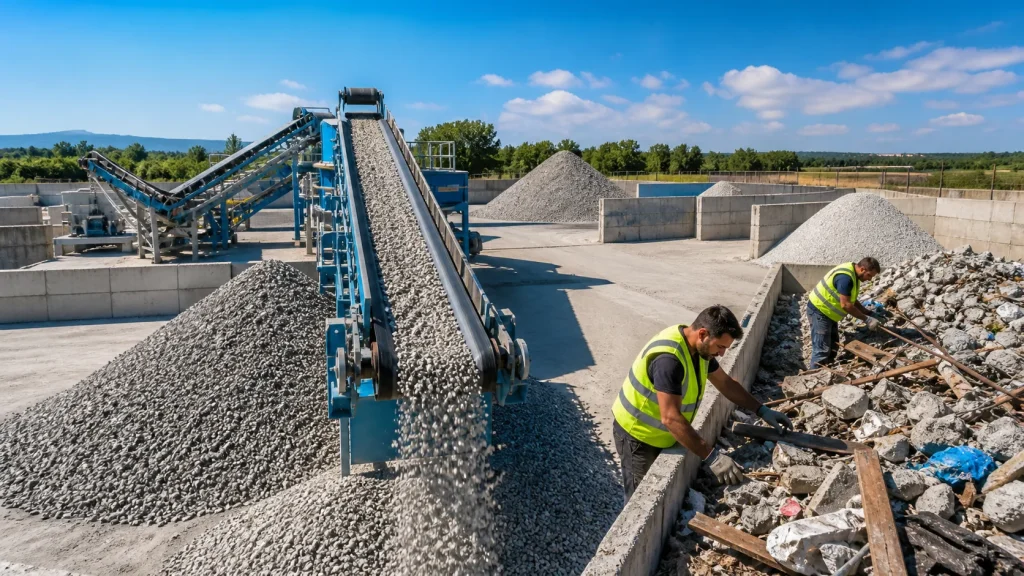
Clean concrete crushing and recycling loads are generally easier for us to review and prepare for crushing. When unwanted material is kept out of the pile, the recovered concrete has a better opportunity to become recycled aggregate for future Southeastern Michigan projects.
Before loading a truck, it helps to look for loose materials that do not belong with the concrete, such as:
- Trash and food containers
- Plastic sheeting and packaging
- Wood, drywall, and insulation
- Vegetation and loose soil
Some attached or embedded materials may be handled differently than loose debris. We recommend confirming what materials, contamination levels, and load conditions may be accepted before transport. A quick review ahead of time can prevent a wasted trip or an unexpected delay at the facility.
Mixed Debris Can Slow Down Recycling
Mixed debris is a load that combines concrete with other construction or demolition waste. This may include wood, plastic, trash, insulation, soil, roofing material, or other items that do not belong in an approved concrete load.
When a load contains several types of debris, it can take longer to inspect and unload. Extra sorting may be needed, and unwanted material can affect the quality of the recovered concrete. In some situations, a load may not meet current acceptance requirements and could be declined.
We understand that active jobsites get busy. Demolition, cleanup, and hauling often happen at the same time, and debris can build up quickly. Still, separating materials where they are created is usually much simpler than trying to sort a heavily mixed load later. Keeping concrete in its own pile protects the material stream and gives us a clearer view of what is being delivered.
Smart Jobsite Sorting Supports Better Recycling
Good recycling starts long before a truck reaches our yard. A little planning at the jobsite can help crews avoid mixing reusable concrete with waste that belongs somewhere else. Clear directions are especially helpful when multiple subcontractors, haulers, or cleanup crews are working in the same area.
We suggest setting up a simple system that keeps approved concrete apart from other debris. Useful steps may include:
- Creating a designated stockpile for concrete
- Labeling containers or collection areas clearly
- Giving crews simple instructions before demolition begins
- Checking piles for loose trash and packaging before loading
- Keeping vegetation, dirt, and other jobsite debris out of concrete piles
Planning for concrete crushing and recycling early can reduce confusion later. Instead of making last-minute decisions when trucks are ready to leave, your team can already know where materials belong. That helps protect recyclable concrete from contamination and makes loading more efficient.
Fall Cleanup Calls for Early Load Planning
September often brings a busy stretch of construction, demolition, and site-cleanup work across Southeastern Michigan. As projects move toward completion, materials that have been sitting on-site may need to be removed quickly. That is when clean separation can be overlooked.
Wet weather, falling leaves, and muddy conditions can make material handling harder. A concrete pile that starts out clean can pick up loose soil, vegetation, packaging, and other debris if it is left uncovered or mixed with general cleanup waste. End-of-season deadlines can also leave less time to sort materials carefully.
Reviewing your cleanup plan early can help prevent those issues. Before arranging transportation, make sure the material is separated, inspect it for loose contaminants, and confirm current facility procedures. Early planning gives your crew more time to prepare eligible loads before seasonal conditions create avoidable delays.
Better-Prepared Materials Support Local Recycling
Clean, properly separated loads help us process recoverable concrete more efficiently. They also help preserve the value of materials that may be crushed and returned to circulation as recycled aggregate and related materials for local use.
Responsible recycling keeps usable construction materials moving through Southeastern Michigan projects instead of sending them directly to disposal sites. By preparing loads carefully and confirming current acceptance expectations before transport, you help support a cleaner, more practical material cycle for the community.
Turn Concrete Debris Into a Useful Resource
At Roseville Crushed, we help contractors and property owners manage masonry debris responsibly and efficiently. Explore our concrete crushing and recycling services to see how we can support your project. Contact us to discuss your materials, scheduling needs, and available options.
Your Concrete Recycling Questions Are Answered
What is the difference between a clean load and mixed debris?
A clean load contains approved concrete or other accepted material with minimal unwanted debris. Mixed debris includes concrete combined with trash, wood, plastic, soil, or other construction waste that may need to be separated or may not be accepted.
Why does clean material matter in concrete crushing and recycling?
Clean material is generally easier for us to inspect and process. It can also support the production of recycled aggregate by reducing contamination from non-concrete materials.
Can I bring concrete with other construction debris attached?
Acceptance depends on the type and amount of attached or mixed material. Confirm with Roseville Crushed before delivery to determine whether your material may be accepted and how it should be prepared.
How can I prepare a load before taking it to a recycling facility?
Separate concrete from trash and other debris at the jobsite, remove loose contaminants when possible, and keep materials in designated piles or containers before loading. Always verify current facility requirements before transport.
What should I do before bringing materials to Roseville Crushed?
Confirm accepted materials, load conditions, facility procedures, and any other requirements that may apply to your specific project before transporting materials.