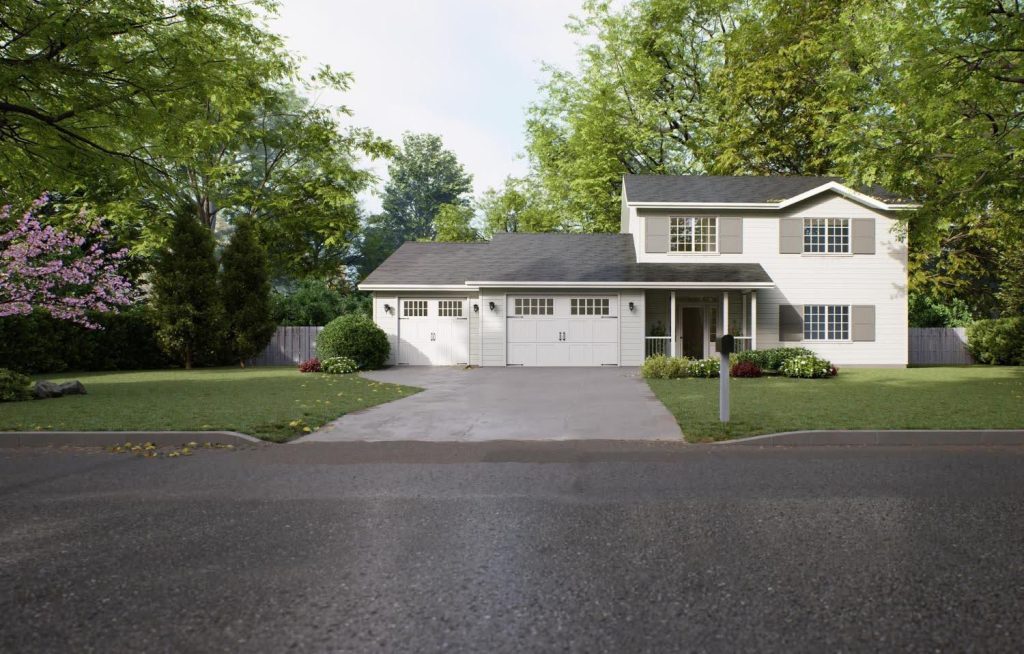
A crushed concrete driveway can be a practical and eco-friendly choice for many homeowners. However, some residents in Roseville, MI, might notice their driveways are shifting or becoming uneven. This can be a somewhat frustrating problem, making it difficult to park cars and causing potential trip hazards. Understanding the reasons for this and how to address it can save you a lot of hassle.
One of the key factors contributing to driveways shifting in Roseville is the local weather. The area experiences a fair amount of rain and seasonal changes that can affect the ground stability. When soil expands and contracts, it can lead to the shifting of the driveway material. Identifying the root causes is the first step to finding a lasting solution.
Common Causes of Driveway Shifting
Several factors can result in a shifting crushed concrete driveway. Here’s a closer look at the most common culprits:
- Poor Initial Installation: If the driveway wasn’t laid down properly in the first place, it could start shifting over time. This involves inadequate compacting of the base material, which leads to the driveway sinking or moving.
- Erosion from Weather Elements: Rain and snow can gradually erode the underlying soil, causing parts of the driveway to settle unevenly. Over time, water runoff can wash away crucial base materials, weakening the driveway’s support.
- Tree Roots and Plant Growth: As trees and plants grow, their roots can expand underneath the driveway. These roots exert pressure, causing portions of the driveway to lift and create uneven surfaces.
- Heavy Vehicle Usage: Repeated heavy vehicle traffic can compress the driveway material and base, making certain sections sink, shift, or crack under pressure.
Understanding these factors is crucial to diagnosing and fixing the problem effectively. By addressing these issues, you can prevent your driveway from turning into a nuisance.
Assessing the Damage
It’s crucial to assess your driveway to determine the extent of any shifting. Start by identifying the signs of movement. Look for cracks, uneven surfaces, or areas where the driveway might be settling. These signs often indicate instability in the base layers beneath the surface.
Checking for cracks and uneven surfaces is straightforward—simply walk the length of your driveway and feel for bumps or dips. Using a straight edge, like a long board or a level, can also help evaluate the overall smoothness of the surface. If the edge doesn’t sit flush against the ground, it’s a clear sign that the driveway might be shifting.
Lastly, don’t forget to investigate the underlying base issues. For example, if parts of the surface have sunk considerably, it might suggest that the base wasn’t compacted correctly or has been compromised. Addressing these core issues is essential in preventing further movement and ensuring any repairs last.
How to Fix a Shifting Crushed Concrete Driveway
Fixing a shifting driveway involves addressing both the symptoms and the root cause. Here’s how you can tackle this issue effectively:
1. Remove and Re-compact the Base Material: Excavating the affected area helps expose the base layer. Once exposed, re-compacting it ensures a solid foundation. Proper compaction is key to preventing future shifts.
2. Reapply and Compact New Crushed Concrete: After re-compacting the base, add a fresh layer of crushed concrete. Use a compactor to ensure each layer is firm and stable, creating a smooth and durable surface.
3. Address Drainage Issues Around the Driveway: Poor drainage might exacerbate the shifting. Make sure water can move away from the driveway efficiently. Using slopes or installing drainage solutions can significantly reduce water retention around the driveway.
4. Maintain Edges and Borders to Prevent Spreading: Keep edges and borders in check to ensure they hold the driveway material firmly. Using barriers can also limit lateral movement.
Preventative Measures to Maintain Stability
Once you’ve addressed the immediate issues, consider taking additional steps to maintain the stability of your driveway. Regular maintenance can prolong the life of your investment and prevent costly repairs.
- Regular Maintenance Tips: Sweep the driveway regularly to keep debris, which can hold moisture, off the surface. Check for signs of wear or erosion periodically and address any issues promptly.
- Install Drainage Solutions: Add gutters or drains in strategic areas to manage water flow. Ensuring water doesn’t pool around or run directly over the driveway is a big step in limiting structural damage.
- Periodic Professional Inspections: Consider having a professional inspect the driveway every couple of years. They can spot early signs of trouble that might not be readily apparent.
Secure and Maintain Your Driveway
Protecting your crushed concrete driveway means understanding and addressing both its current and potential challenges. Proper installation and maintenance play an important part in ensuring longevity and performance. A stable driveway not only looks better but also works well for everyday use.
Remember to monitor your driveway regularly and take action as needed. Routine care, along with professional assistance, offers peace of mind and helps keep your driveway looking its best for many years.
Ensure your driveway remains in top condition. For more information about using crushed concrete for driveway improvements, explore what Roseville Crushed offers. Our expertise ensures your driveway lasts for years, giving you peace of mind and a beautiful, functional entrance to your home.