If you’ve recently torn out an old patio, knocked down a wall, or ended a job that left you with a pile of cinder blocks, you’re not the only one. Many residents and contractors around Roseville MI find themselves with leftover material after a renovation or cleanup. Getting rid of it isn’t always simple. Concrete block disposal seems easy at first, but once the pile gets big, it’s a lot more complicated than just tossing it in the trash. Weight, size, and local rules all matter. That’s why knowing where to begin and who to call makes things much easier.
Knowing What Counts as Concrete Block Waste
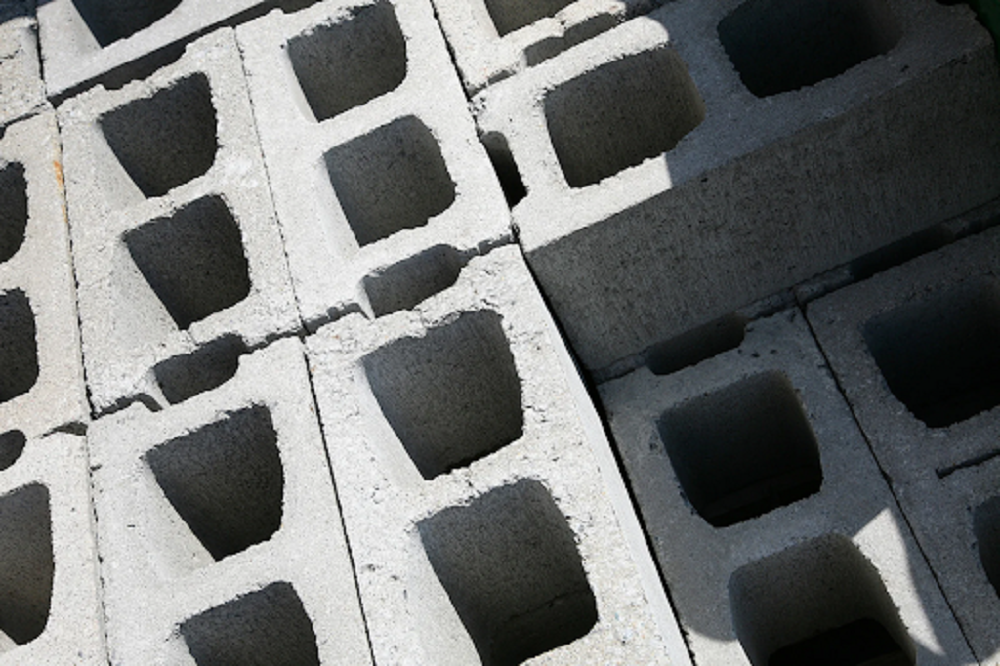
Not every leftover piece goes in the same pile. Concrete blocks aren’t the same as broken bricks or mixed masonry. Some blocks are just plain, others have paint, and a few might have rebar or wire inside them. These details matter when moving or disposing of them.
Concrete block waste usually grows after remodeling, knocking down a garage, or finishing a large cleanout. Small pieces might look easy, but once you get a dozen or more blocks, the weight becomes too much for most trash services.
Here’s when you need extra help:
– The block waste is too heavy for your car or pickup
– There’s at least a pallet’s worth, or more, of block to move
– You spot rebar, metal ties, paint, or other coatings on multiple blocks
Some blocks are fit to be recycled, but not every service can handle painted, dirty, or reinforced pieces. When you see these signs, regular trash pickup isn’t the answer. Crushing and repurposing become better options for clearing the mess and keeping things compliant with local guidelines.
Why Skipping the Landfill Matters in Roseville
Tossing everything in a landfill might feel quick, but concrete blocks can do long-term harm there. Around Roseville, solid waste rules keep concrete out of most bins. That’s no accident. These blocks never break down and just take up room for years.
Landfill space is limited, especially for heavy, bulky construction leftovers. Dropping concrete off there fills up space, slows down cleanups, and can create problems for city recovery projects. More crews in Roseville now look for greener ways to clear away concrete block waste, even for small jobs.
Recycling concrete blocks is becoming the standard. It encourages responsible site clearing and helps supply local projects with new recycled material. This isn’t about being trendy. It’s about making the process simpler and keeping things above board.
How Professional Disposal Works for Concrete Blocks
When you’ve got a big pile of concrete block waste, the process changes. Most recycling and crushing options start long before trucks roll in. It starts with a quick inventory of what kind of blocks you have and how much you need to move.
Once the materials get to the site or your home is ready for pick up, they’re sorted and weighed. Any clean, unpainted block goes right into the crusher. That creates things like base fill, drainage stone, or another round of building material for new jobs around Roseville. When blocks are painted or have heavy coatings, they might get sorted for a different process so nothing dangerous ends up in finished recycled materials.
To keep things moving without problems, set these up in advance:
– Clear enough space near the pile for loading equipment or trucks
– Keep block types sorted where possible (clean, reinforced, painted)
– Take a rough count or measurement, so crews know what to expect
Doing this early helps keep costs down and avoids confusion on the day of pickup or drop-off. Most local services in Roseville offer both pickup and drop-off options, so you can choose what fits your timeline and project scale. The disposal site accepts both small and large concrete loads, making it flexible for everything from simple home projects to big site cleanouts.
What to Expect When You Work With a Local Crusher
Getting help for concrete block disposal in Roseville is usually a clear process. Still, it helps to be ready before picking up the phone. Most services will want to know a few things right away, including the size and type of the blocks, how many you have, whether trucks can reach the piles, and if you have a preferred timeline.
Before trucks come out, expect to answer questions like:
– What’s the total amount of material to move?
– Are blocks mostly clean or do they have rebar and coatings?
– How soon do you want things cleaned up?
Usually, here’s how things play out:
1. You share details about the blocks, timing, and your property.
2. The service gives an estimate based on volume and truck access.
3. You schedule a time for pickup or drop-off.
4. On the day, you make room for the crew, and they handle loading.
5. Material is hauled away, crushed, and processed at the recycling site.
Biggest mistake? Waiting until late fall or when colder weather hits. Wet or frozen blocks are much harder to move. Waiting too long means more time spent cleaning up, dealing with leftover piles, or risking code violations. Fast action keeps things neat and safe.
Smart Timing for Outdoor Material Removal Late Summer
Late August is the perfect time for concrete block removal projects. Summer’s nearly done, but Michigan’s fall weather hasn’t hit yet. Outdoor work is easier and safer before colder rain, wind, and falling leaves arrive.
Heavy blocks get tough to move once frost sets in or the ground turns wet and muddy. Leaving piles outside too long can mean dealing with stuck materials and a messier cleanup. Plus, dust and noise from block removal can be more stressful for neighbors as fall approaches since quiet hours and daylight windows for outdoor work can get tighter.
If blocks have started to take over driveways, side yards, or construction sites, it’s best to clear them before the seasons change. This keeps projects moving forward, cuts down on late-season cleanup headaches, and helps everyone avoid extra mess outdoors.
A Simpler Way to Clear Out Old Concrete Blocks
Cleaning up old concrete blocks from your property in Roseville does not need to be a problem that drags into the next season. Understanding what types of blocks you have, sorting them out, and planning the right time for cleanup all make the job easier. Many projects in the area, from rebuilding driveways to clearing out cracked patios, leave behind more block waste than expected.
Late summer cleanup gives you a head start for the coming fall. This keeps noise and piles to a minimum and lets you stay ahead of the weather. With the right help, you can be sure that your concrete block disposal is handled the legal, clean, and smart way. That frees up space and saves time so you can focus on your next project instead of the mess left behind.
Roseville’s recycling centers can even process reinforced block using heavy machinery and updated crushing equipment. Choosing a service that accepts mixed or reinforced materials means you won’t be stuck with unwelcome leftovers. Safe, simple, and seasonal block disposal helps every job finish on a cleaner note.
Planning a cleanup or clearing leftovers from a job site doesn’t have to be a hassle. At Roseville Crushed, we help contractors and homeowners across Roseville, MI handle debris fast so projects can stay on track. No matter the load size, our crew knows how to move material safely and sort out what can be reused. If you need help with concrete block disposal, give us a call and we’ll take care of the heavy lifting.