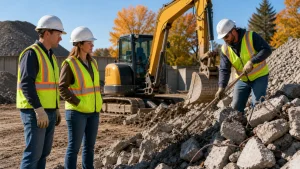
Late fall is a stretch of time when construction crews across Michigan scramble to prep sites before cold weather slows the pace. Materials like brick and block still need to move before the freeze sets in. Once snow or frozen ground hits, deliveries become tougher, and storage gets tricky. That’s why we’re always thinking ahead this time of year.
Keeping a job site productive in the colder months means getting the right materials to the right place before conditions change. For any project using brick and block, supply management isn’t just about having the materials on hand. It’s about timing, coordination, and knowing how those materials handle the cold. If we plan it right now, the job avoids shutdowns later in winter when access tightens and ground shifts make work slower or more dangerous.
Planning Ahead Before Cold Weather Hits
We usually begin talking about fall and winter material scheduling weeks before the first hard frost. Around Southeastern Michigan, snow or freezing ground can show up by mid-November. If materials aren’t already at the site by then, it gets harder to schedule lifts, drops, and placements.
Here’s how we stay ahead:
• We check weather trends and plan any larger stone or block deliveries before Thanksgiving, while access roads and lots are still fully usable
• We work with crews to clear and prepare space on-site for protected storage
• We avoid last-minute delivery requests unless access and weather allow for safe handling
Storing pallets of block or brick ahead of time gives crews room to work as weather shifts. When deliveries are delayed or winter hits early, you risk muddy ground, frozen surfaces, or unworkable staging areas, as well as long-haul delivery slowdowns that interrupt your schedule.
Matching the Right Materials to the Job
Knowing whether to use brick or block comes down to how materials behave under pressure and temperature. Bricks and blocks look similar at a glance, but they differ in weight, shape, and how they get used in different parts of a structure.
• Bricks are usually smaller and denser, often used where visual appearance matters or where tighter dimensions are helpful, for facades or detail work, for example
• Blocks tend to be larger and lighter in their makeup, ideal for weight-bearing walls or fast structural stacking
Picking the wrong material type for a particular part of your build leads to trouble, especially when the temperatures get cold and the freeze-thaw cycle starts. Materials can crack, shift, or retain moisture if they weren’t meant for those conditions. For example, block might work well for a foundation wall with proper insulation, while certain brick blends might hold up better in outer walls that face snow impact and seasonal cycles.
We regularly supply recycled aggregate blends that are tested for strength and freeze-thaw durability. Using locally sourced recycled products also fits naturally into projects aiming for sustainability and landfill diversion, which is a growing trend throughout Roseville, MI.
In cold-weather prep, we focus on how well materials hold up through a long Michigan freeze. Securing the right type now helps avoid delays and problems in the spring thaw while giving crews more confidence the work will last.
Coordinating Supply with Project Timelines
Lining up materials doesn’t just mean placing an order when you’re short. We map our deliveries to match the project build cycle. That way, nothing sits exposed too long, and delivery crews can work around other moving parts.
• We track which parts of the site are ready so loads show up in a stage-friendly order
• We keep brick and block deliveries paced with footing or wall work to avoid unnecessary onsite clutter
• We keep close contact with project leaders to shift timing if snow or frost changes the workflow
If fall turns harsh or a pause gets called, pallets left sitting out are more likely to get soaked, freeze, or become damaged if they’re not under some kind of cover. Instead, we try to match our deliveries to each phase of your job, spacing out the materials so there’s always enough room and time for crews to work without having to worry about shifting weather.
Managing the storage flow is key because it helps avoid material waste and loss from weather exposure. Good communication between the supply crew and project managers keeps everything smoother, not just through winter but straight into the spring kickoff.
Handling and Storage Tips for Late Fall
Once the brick and block are delivered, handling them during late fall needs extra care. Poor storage decisions in November often lead to delays or damage in February.
• Keep pallets elevated off frozen or soggy ground using wood supports or solid staging space
• Use tarps or sheet covers that allow ventilation without letting in snow or freezing rain
• Avoid sitting heavier pallets on steep ground or surfaces that may shift when frost melts
Cold ground can pull moisture into brick or block materials, even when it seems dry on top. When wet materials freeze, they expand, making them more likely to chip or crack during install. Good staging, like raised platforms, partial overhead cover, and open airflow, helps keep materials dry, workable, and ready for fast use as soon as the weather shifts.
We always recommend planning for at least partial overhead cover during late-season builds, especially in Southeast Michigan where snow and rain mix often. This simple step can keep months of hard work from being spoiled by moisture or surprise cold snaps, no matter what part of the project you’re in.
Supervisors should walk storage areas regularly as the temperature dips. Checking for pooling water, snowdrifts, or sagging tarps lets us catch small problems before they lead to real setbacks. It’s a straightforward way to help keep your material budget and crew timing on track all the way through winter.
Michigan Winter Readiness
We’ve seen how small delays in the fall can snowball into bigger problems during the winter slowdown. Reliable brick and block supply starts with solid planning, and that all begins before the cold sets in. Matching the right material type to each part of the build limits long-term risk and seasonal wear.
From processing concrete waste into sustainable aggregates to providing reliable on-time delivery, our approach helps Roseville crews keep builds on schedule through unpredictable Midwest weather. By planning ahead, stacking materials smart, and covering vulnerable items before the freeze, we help each project stay prepared all season. Preparing brick and block ahead of time means each site can enter the colder months ready for snow and be well-positioned for a swift restart in spring.
Prepare your project for winter with dependable brick and block solutions from Roseville Crushed. Our timely delivery and smart storage strategies keep your job site productive even as temperatures drop. Let us help you avoid costly delays and streamline your schedule all season long. Reach out today to ensure your site is ready for whatever weather comes your way.