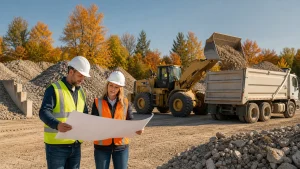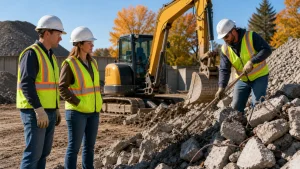
As winter starts to lose its grip and March brings signs of spring, projects across Southeastern Michigan start picking back up. Construction crews and site managers begin planning jobs that were on hold during the colder months, and many of those plans start with clearing away old concrete. That’s where concrete crushing in Southeastern Michigan becomes part of the conversation.
When spring thaws hit and trucks get back on the move, it helps to understand what this process really involves. Whether you’re clearing a demo site or making room for new ground layers, knowing what to expect from concrete crushing makes it easier to keep the job on track.
What Concrete Crushing Actually Involves
Concrete crushing isn’t just breaking old slabs into small pieces. It’s a controlled process built around heavy equipment, well-tested steps, and materials that can be reused.
- Most crushing starts by removing metal like rebar and other materials from the broken concrete.
- Then the concrete runs through machines that break it down into smaller, usable pieces.
- We can do this work off-site or through mobile crushing right at the job site, depending on the setup.
- The final product includes different sizes like crushed stone, fines, and larger fill pieces that can be used in base layers, trenches, or backfill.
It’s a process that’s cleaner and far more efficient than hauling debris to the landfill. Reclaimed material ends up back on the job, ready to serve a new purpose.
Roseville Crushed operates stationary and mobile crushing services, providing custom solutions for contractors and site owners across the region. We handle both the removal of old concrete and the onsite or offsite processing through powerful crushing and screening equipment.
Benefits of Using Recycled Concrete in Southeastern Michigan
Once we’ve processed the material, it’s ready to go back to work. Using recycled aggregate brings several day-to-day advantages when working in our region.
- It compacts well and stays tight across the changing conditions found in Southeastern Michigan.
- The consistent drainage helps reduce surface pooling during spring thaw and rainy stretches.
- It offers a more local, sustainable option that means less time spent sourcing new material from out of town.
Using recycled concrete on projects helps avoid unexpected delays from trucking issues or mismatched ground responses. When it comes from nearby and fits the local climate, we end up with material that behaves better under pressure.
Roseville Crushed’s recycled aggregate products, including 21AA, 1×3, and crushed concrete fines, are used extensively for base layers, backfill, and drainage solutions. All products are screened and quality-checked to meet project specifications and local requirements.
What to Expect Logistically on the Job Site
Ahead of crushing or delivery, it’s important for crews to know what the schedule will look like and how to get the site ready. Timing can shift depending on what you’re doing with the material and where.
- Site access, truck routes, and equipment space need to be cleared before material arrives.
- Delivery typically follows a set timeline based on load volume, crew size, and prep work.
- Removal of concrete debris is often coordinated alongside delivery of fill or crushed material to save time and motion.
- Crews should plan for staging space and check what kind of trucks will be involved, especially if ground conditions are an issue.
We’ve seen the most well-run jobs start with solid planning and coordination with material providers. It cuts down on wait time and makes better use of those rare dry spring days.
Seasonal Considerations for Crushing Projects in March
This part of the year in Southeastern Michigan tends to bring a mix of frozen mornings and muddy afternoons. March can be unpredictable, which makes early-season prep work that much more important.
- Some sites may still have frost in the ground, which changes how easily material can be compacted or moved.
- Thaw cycles mean that ground firmness can vary widely within the same job site.
- Mud buildup and runoff require smart drainage planning as part of any site prep using crushed aggregate.
- March is often when we see project planning kick into high gear because most spring builds aim to start before late April.
The weather might not always cooperate, but planning around the freeze-thaw cycle, ordering early, and understanding local site patterns can make a big difference.
Understanding Local Regulations and Best Practices
Working in Southeastern Michigan means knowing what the local rules are around construction material, recycling, and concrete hauling. These aren’t just red tape, they help keep jobs legal and safe.
- Any removal and crushing work has to follow regional disposal and clean-fill policies.
- Permits may be required in certain cities for moving heavy material or crushing on-site.
- Working with companies who understand these requirements reduces the chance of delays or fines.
By lining up work with crews who know the county and municipal standards, project leaders avoid missteps. That’s especially helpful during busier months when time gets tight.
Roseville Crushed assists clients in navigating local requirements, including documentation for material sources and proper disposal. Our knowledge keeps projects running smoothly and minimizes compliance risks.
Why Timing Your Project Right Matters
Most construction projects don’t run in nice, neat lines. They move based on weather, staffing, equipment availability, and material delivery. That’s why timing counts so much, especially when you’re working around spring conditions.
Setting expectations early and knowing how concrete crushing pieces fit into the overall schedule gives project leads more breathing room. From prepping the ground to coordinating trucking, lining things up before the season hits full pace takes stress off later.
Get ahead this spring by ensuring your site’s prep work is seamless with concrete crushing in Southeastern Michigan. At Roseville Crushed, our team is ready to assist with everything from material preparation to demolition debris removal. By choosing a partner who knows the local weather patterns and regulations, you can keep your projects on schedule as the construction season kicks into gear. Reach out to us today to ensure your site’s success.