When summer hits Southeastern Michigan, job sites get busy fast. Crews are out early, beating the heat, and heavy equipment seems to be everywhere. With that pace, materials need to move smoothly in and out. That includes old concrete pulled up during site work or demolition.
Instead of watching it pile up, more contractors look for local concrete crushing options. This process gives recycled concrete a second life as usable aggregate. For teams trying to stay on schedule, using a nearby crushing site just makes sense. But not every operation is the same. Knowing what to expect (and what to look out for) can save time and avoid extra trips down the road.
First Impressions When Visiting a Site
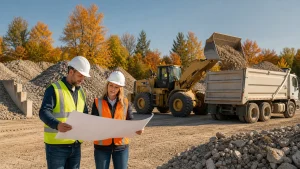
Pulling into a crushing yard for the first time should feel clear and organized. Whether someone is there to drop off material or pick up recycled aggregate, a good site should make that process feel predictable.
- Look for clean, designated dumping areas near the entrance. They should be marked so drivers are not guessing where to go.
- Signage should make it easy to figure out where to weigh in, dump, or head to the loader for pickup.
- Crews should be moving with purpose, wearing the right safety gear, and keeping equipment in motion without blocking key areas.
At a site that runs well, everything has a rhythm. You might see loading happening in one part of the yard while a separate staging area handles incoming concrete. That setup helps keep traffic flowing, especially during busy summer mornings when contractors are trying to turn around fast.
Roseville Crushed operates a centrally located recycling yard in Roseville, MI, with clear signage and a well-organized layout for efficient drop-offs and pickups. Our full-time team guides contractors to the right load-out zone and ensures safe material handling on all visits.
How Concrete Gets Handled from Drop-Off to Processing
Once a truck dumps a load of old concrete, the work behind the scenes starts right away. Good crushing sites keep extra materials from slipping through while organizing concrete by type and size.
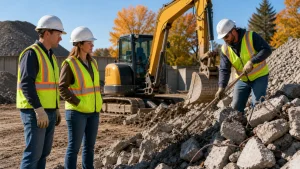
- Loads get inspected up front. We look for wire, metal rebar, or anything that could damage equipment or reduce product quality.
- Clean concrete goes to a staging area for processing. If trash or mixed debris is inside, it gets pulled out by hand or magnet.
- Sorting early keeps crushers from getting jammed or slowed down later.
This step feels simple but makes a big difference. It’s about protecting the equipment, yes, but it’s also about making sure the final product meets the needs of contractors expecting clean material. The better the load going in, the better the mix coming out.
Machinery That Makes the Process Work
Crushing concrete into something useable takes more than just breaking it apart. The equipment on a local site keeps the process strong and steady through the busiest months of the year.
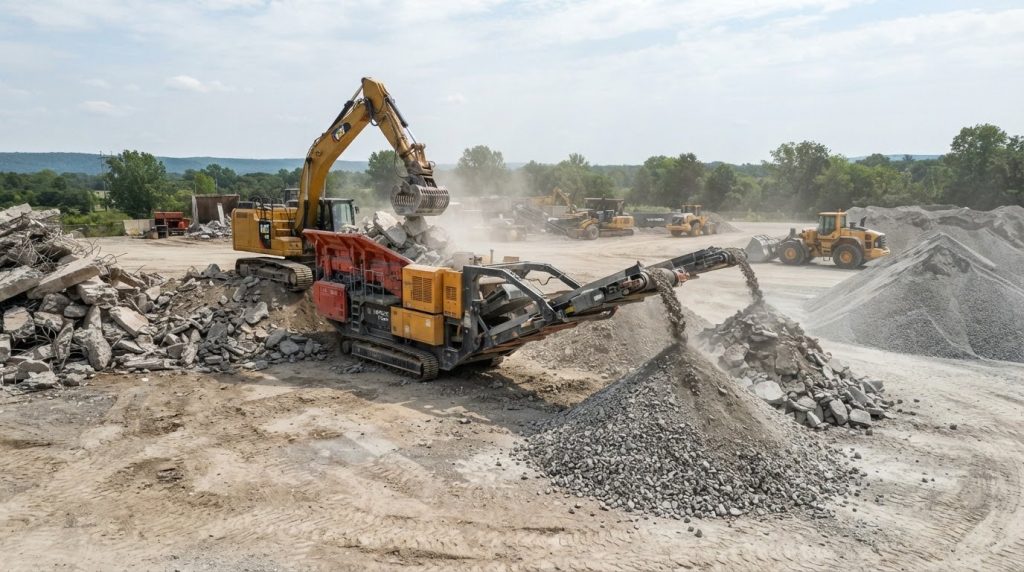
- Excavators help move big chunks into smaller pieces before anything hits the crusher.
- Depending on the setup, crushing machines use rotating jaws or impact systems to break down the material and push it through screens.
- Loaders, conveyors, and hand tools help finish the work by organizing materials before it’s loaded for pickup.
On a good summer day, that whole system keeps moving in sync. Crews watch the machines closely, check safety protocols, and make quick adjustments when needed. When everything runs right, even the busiest sites feel smooth.
Roseville Crushed uses modern crushing and screening equipment to process hundreds of tons of concrete, brick, and block into 21AA, 1×3, fines, and select spec aggregate for local reuse. Our operators complete daily safety checks and maintenance to maximize uptime.
What Comes Out the Other End
Once the concrete makes it through the full crushing system, it starts to look a lot more familiar to the people picking it up. It’s no longer chunks and slabs, it turns into clean, sorted aggregate that’s ready for the next job.
- Most sites offer different size mixes like 21AA, 1×3, or smaller-sized fines.
- These materials work well in roads, work pads, foundation prep, or temporary staging areas.
- When the product is sorted well, crews don’t have to stop and pick through the mix onsite. They can dump and compact without delay.
This is where quality control shows itself. Recycled aggregate should be consistent each time. Tires should not be hitting wire or running into oversized chunks trying to pass as base layer. Reliable crushing means predictable results out in the field.
What Makes a Local Operation Worth Visiting
In the heart of summer, no one wants to wait days for material to arrive from across the state. Local operations help avoid that kind of lag while still delivering material that holds up.
- Quick turnaround, lower travel distances, and familiar faces all come with working local.
- Staff often have experience with the types of projects common in the area and can help figure out which material size makes the most sense.
- With crushing sites nearby, crews can plan pickups more easily around active job timelines without worrying about unknown delays.
There is something to be said for keeping things close. Especially when job timelines are tight and the deadline is staring down the back of the calendar, local concrete crushing offers an option that works.
Roseville Crushed provides same-day pickups and delivery for all processed aggregate, offers site tours on request, and delivers detailed product gradation and usage information during your visit.
Strong Sites Lead to Stronger Builds
At the end of the day, the goal is simple. Turn old concrete into a product that’s ready for the next round of use, and keep it moving fast. Job after job depends on stable footing, and a good crushing site helps make that possible.
Crews know what to expect, trucking doesn’t get bogged down, and the material holds up under pressure. That’s what we look for every time we visit a yard. And that’s what helps keep builds moving forward all summer long.
Frequently Asked Questions
What should drivers expect when they arrive at a concrete crushing site?
They should expect a clear layout, marked drop-off or pickup zones, and staff who can direct them where to go. A well-run site keeps traffic moving and cuts down on confusion during busy summer hours.
How are incoming concrete loads checked before crushing?
Loads are looked over for rebar, wire, trash, or other material that does not belong in the crusher. Catching those issues early helps protect the equipment and keeps the recycled product cleaner.
What types of material can contractors usually pick up after processing?
Most yards offer crushed concrete in a few different sizes, depending on the job. Common options work well for road base, work pads, foundation prep, and other support layers.
Why does visiting a local crushing yard help during summer construction?
It saves time on travel, speeds up turnaround, and makes it easier to fit pickups or drop-offs into a packed schedule. That kind of access matters when crews are trying to keep work moving without delays.
Is it worth asking questions during a site visit?
Absolutely. A good team can explain material sizes, usage, and what makes one product a better fit than another, which helps crews leave with the right load the first time.
Streamline your summer projects with efficient local concrete crushing services at Roseville Crushed. Our well-organized site offers quick drop-offs and high-quality recycled aggregate, ensuring your jobs stay on schedule. Experience the convenience of minimal travel distances and expert guidance for all your construction needs. Contact us today to set up your visit and keep your build moving forward with materials you can count on.