Working on outdoor job sites in February means facing weather that doesn’t always cut us a break. Cold temps, frozen ground, and damp conditions can hit materials differently than during warmer months. That includes limestone supplies, which crews across places like Roseville, MI, rely on all year.
When it’s below freezing one day and soggy the next, limestone behaves in ways we need to plan for. Knowing how it reacts in cold weather helps us avoid setbacks with compaction, drainage, and surface prep. Here’s what we’ve learned from working with limestone through plenty of Michigan winters and how we make sure it performs the way we need it to, even when the ground doesn’t.
Understanding Limestone Behavior in Cold Conditions
Cold air doesn’t just chill the job site, it changes how materials move, hold moisture, and settle under pressure. Limestone is no exception.
• Crushed limestone tends to hold onto surface moisture in freezing weather, especially during thaw-freeze cycles. That extra water can make it feel heavier and stickier than usual.
• As temperatures swing, especially in late winter, the top layer might thaw while deeper layers stay frozen. That inconsistency slows down compaction and can create soft spots if we’re not watching closely.
• If limestone has been sitting outdoors, snow and ice may coat the top layers or seep in. Before putting it to use, we give it a visual and tactile check. If it’s clumping or icy, it needs some time or mixing before we’re confident laying it down.
Being aware of those shifts helps us work smarter, not harder, even during weeks where each morning feels different from the last.
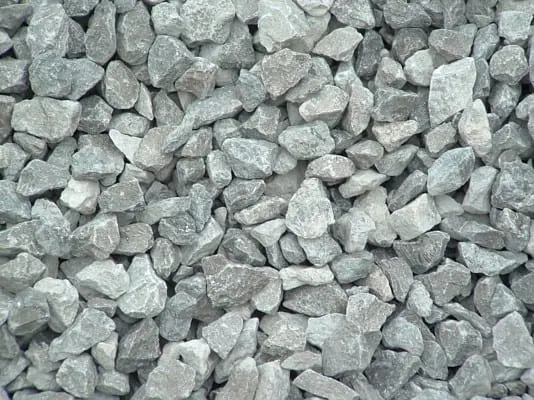
Roseville Crushed provides various crushed limestone products in sizes ranging from fine grades to large aggregate, suitable for base work, pad support, and driveway installations. Our limestone is sourced and processed locally, ensuring dependable supply and consistent quality even through unpredictable winter conditions.
Choosing the Right Limestone Material for Winter Work
Not all limestone performs the same once cold weather hits. Picking the right size and type of material affects how well the job holds up.
• On jobs where drainage is a concern, using washed limestone is usually the better bet. It lets moisture move through without creating mud pockets or ice traps.
• Crushed limestone works well too, but only when paired with proper layering. We watch the weather before picking which kind goes down first.
• Size matters. Larger aggregate tends to sit better over frozen or damp ground, especially when we’re creating a base for equipment access. Finer material might shift if placed too early or under weight too soon.
With limestone supplies, we stay flexible. If we’re building lifts or base layers in winter, we’re thinking ahead about how they’ll handle changes in moisture and traffic over the next few weeks.
Best Practices for Placing and Compacting in Winter
Once limestone arrives, placing and compacting it takes some extra care in colder conditions. It’s not just about dumping and grading, it’s about what’s underneath and how fast things will firm up.
• If we’re working over wet or frozen soils, we never rush the first pass. Frozen ground won’t absorb moisture the same way and settlements can happen later.
• When we know the base is unstable, we might use a thicker lift or a coarser aggregate to bridge soft spots.
• To avoid frost pockets or heaving, we don’t underfill. If limestone is going under a pad or access point, we make sure the material supports the full load by compacting in controlled layers.
Compaction becomes more about feel and less about speed. One wrong move can mean rework when spring hits, and nobody wants to backtrack.
We deliver limestone supplies directly to job sites throughout Roseville, MI, and Metro Detroit, saving valuable time during weather-dependent projects. Our team can recommend the right limestone product for your winter site work, from base material to finished surface layers.
Managing Delivery and Storage in Below-Freezing Temps
Delivery timing becomes just as important as material choice once the weather drops. Cold impacts not only how limestone performs, but how it gets to us and how we keep it usable.
• Scheduling limestone delivery after midday can help. That extra warmth, even if slight, prevents the top layer from freezing into clumps as easily.
• Once it arrives, we don’t let it sit too long. If the stockpile is out in the open, fresh snow or an overnight freeze can create a crust that’s hard to break through the next day.
• We try to keep limestone staged close to where it’s needed so we aren’t moving frozen material long distances. That keeps it more manageable and avoids delays.
Planning around sunlight windows, even short ones, makes a big difference in February when the weather shifts every few hours.
This close management of storage and timing ensures that the limestone retains its quality, making it easier to handle and more effective when used on site. Timing deliveries not only improves the usability of the material but also helps keep work on track, without the setbacks that frozen or clumped materials can cause. By staying alert to the way weather impacts delivery and storage, crews avoid wasting time and maintain productivity through the harshest winter stretches.
How Cold-Weather Planning Improves Project Stability
We’ve worked through enough winters in places like Roseville, MI to know that every February brings new challenges. But the ones who stay on track are the ones who prep, with materials and methods that handle the push and pull of freeze-thaw cycles.
• Limestone remains one of the best options for ground support in cold-weather builds. Its structure holds up under weight, and with the right handling, it still compacts as needed.
• The key is thinking a few days ahead. Instead of reacting to shifting ground or frozen loads, we choose materials based on how they’ll behave when things start to warm or refreeze.
• If the ground is unpredictable, our material choices shouldn’t be. That’s how jobs move forward, even when the conditions don’t.
When we apply thoughtful planning, choosing the right material and prepping the site with attention to what weather will do, we build in a layer of resilience. Sites that anticipate freeze-thaw shifts and select materials that adapt to these swings are less likely to face major rework once the weather finally changes. Keeping project stability means not just fighting against the elements but working with them, using processes and material choices that give the site its best shot at staying level and secure.
When it comes to managing your winter projects in Michigan, choosing the right material is crucial for maintaining stability and efficiency. With our extensive range of limestone supplies, Roseville Crushed is here to help you tackle the challenges of freeze-thaw cycles with confidence. Our locally sourced limestone is designed to withstand the harshest conditions, ensuring your site remains productive all season long. Contact us today to explore how our expertise and materials can keep your project on schedule.